For the last few days, I have been asking the tarot about a little brindle Boxer puppy named Malaika.
Not because I believe cards can predict life with scientific certainty, but because sometimes symbolism becomes a language for emotions too large to hold plainly. Sometimes the cards do not tell the future so much as reveal the shape of the heart standing before it.
And perhaps that is why the readings around Malaika have felt so strangely coherent — as though they are not speaking about fate alone, but about love, grief, memory, fear, and the terrifying courage of beginning again.
The first cards that emerged were the King of Pentacles, the Queen of Wands, and the King of Wands.
Two kings surrounding a queen.
The energy was not chaotic or ominous. It felt protective. Grounded. Warm. The King of Pentacles spoke of stability, guardianship, home, and long-term commitment — the kind of energy that says an animal is not entering a temporary space but becoming family. The Queen of Wands felt unmistakably like Malaika herself: spirited, magnetic, fiery, affectionate, impossible to ignore. And then came the King of Wands — passion, movement, decisive action, the moment emotion becomes reality.
The cards did not feel like they were asking whether she would come. They felt like they were describing a household already emotionally preparing for her arrival.
Then I asked when she would come home.
The Wheel of Fortune appeared. Twice.
The Wheel is not a card of stillness. It is movement, transition, alignment, journeys, shifting circumstances, destiny turning upon its axis. And suddenly the practical reality mirrored the symbolism uncannily. Malaika would not arrive by train after all. She would fly to Pune and then travel onward by road to Mumbai. A literal wheel turning. A journey in motion. Logistics aligning. One life travelling toward another.
Atif would return home by seven to drive me to collect her.
And that was the moment the adoption stopped feeling hypothetical.
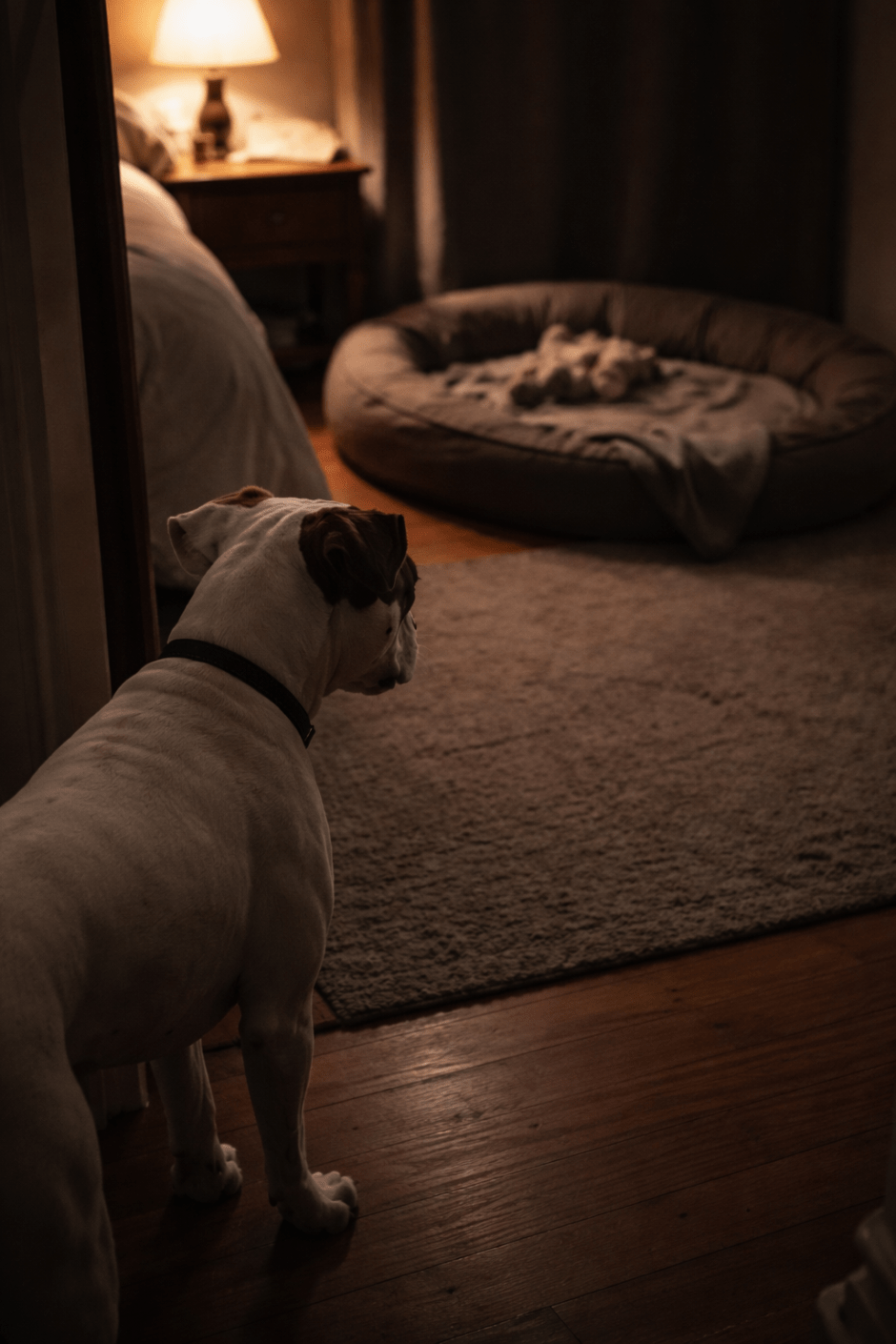
Then came my fear for Zuri.
Any person who truly loves animals knows the guilt that accompanies bringing a new one home. Love is never mathematical, but the heart still fears imbalance. I asked how Zuri would react to Malaika and received the Five of Wands, the Seven of Swords, and the The Hanged Man.
Not hatred. Not doom. Adjustment.
The Five of Wands felt like the chaos of puppy energy colliding with established routines. The Seven of Swords suggested caution, observation, emotional strategy. Zuri watching carefully before surrendering trust. And the Hanged Man whispered patience — the reminder that relationships are not always born instantly but sometimes grow quietly over time through shared space, routine, and acceptance.
Then I asked simply:
Will Zuri be okay?
The Justice appeared.
At first I panicked. But Justice is not punishment. Justice is balance. It is the card that says transitions must be handled consciously and fairly. It reminded me that bringing home a new puppy does not mean replacing old love. It means making room for another soul without abandoning the ones already entrusted to your care.
And perhaps that is what this entire emotional journey has really been about.
Because underneath all of this lies Zach. Xena. Grief. Memory. Fear. The unbearable anxiety that loving again somehow betrays those we have loved before.
So I asked the tarot if Malaika was somehow being sent by Zach and Xena.
The Two of Cups emerged.
No dramatic prophecy. No thunderbolt. Just love.
Connection. Continuity. The joining of hearts.
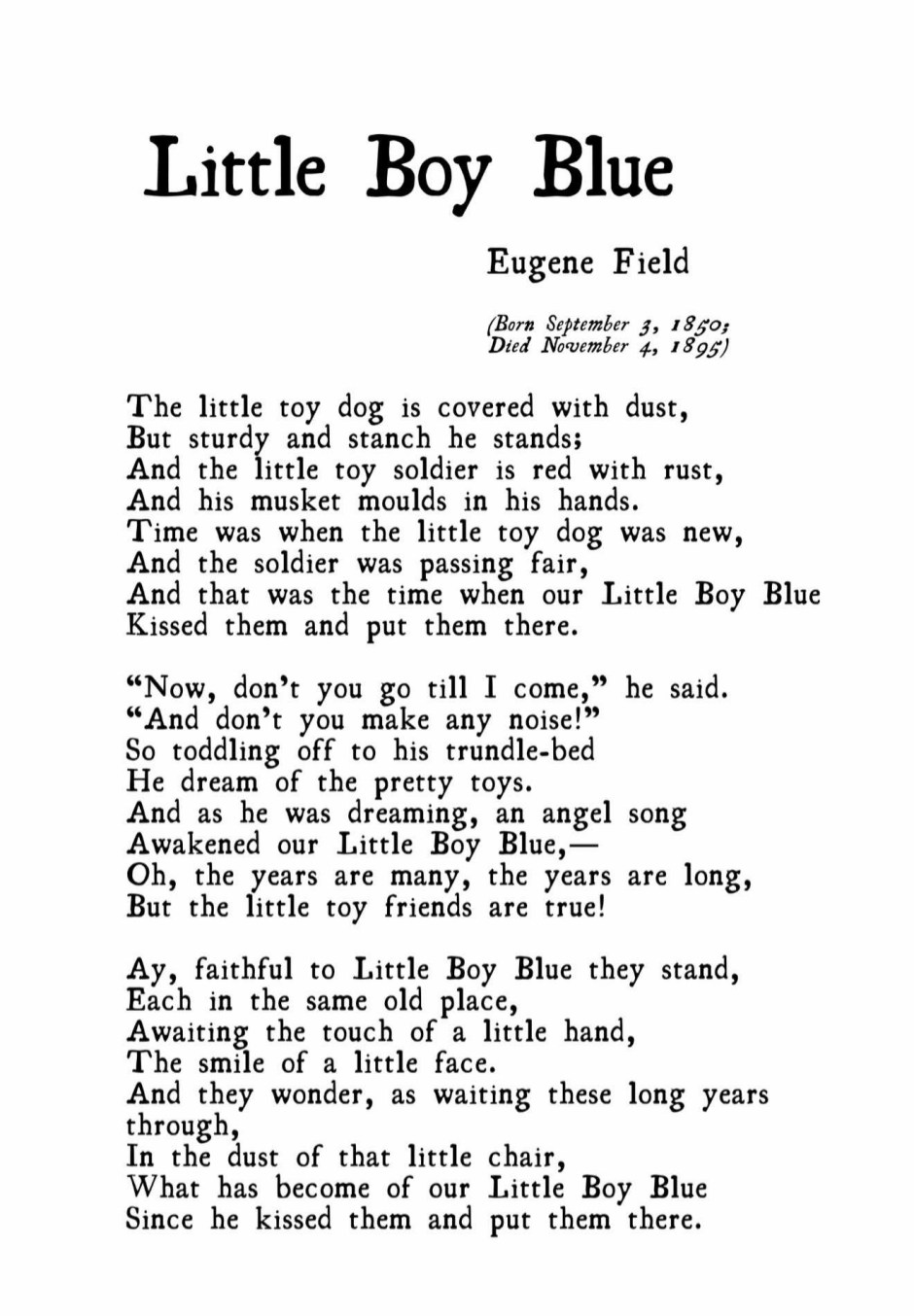
And then, as if the universe had decided symbolism had not yet been heavy-handed enough, my literature society notification appeared on my phone with Eugene Field’s poem Little Boy Blue.
A poem about a little toy dog waiting faithfully through years of absence and dust.
A poem written by a grieving father after the death of his child.
A poem about love remaining behind in objects, spaces, and memory long after someone is gone.
“Oh, the years are many, the years are long,
But the little toy friends are true!”
I sat staring at those lines with tears in my eyes because they captured something I have always known instinctively about animals and about love itself.
Love does not vanish because life changes shape.
The dogs we lose do not become erased simply because another paw enters the house. Memory does not die to make room for joy. Grief and hope coexist. The old love remains standing faithfully in the corner of the heart while new love comes bounding clumsily through the front door with oversized paws and bright eyes.
Finally, I asked what the day of Malaika’s arrival would feel like.
The The Fool came out.
Of course it did.
The Fool is not foolishness. It is innocence. The beginning of the journey. The leap taken despite uncertainty. The willingness to love again without guarantees.
And perhaps that is where I stand now.
Not at the end of grief.
Not beyond fear.
But at the edge of a new beginning, waiting for a little Boxer girl named Malaika to come home.

 Hearts Still Care
You must be logged in to post a comment.