Becoming Charlotte

So, I’ve just returned from the doctor. Diagnosis: vertigo.

I suppose it’s been coming. I’ve been running non-stop since July — organising the talent show, editing videos, coordinating graphics, managing everything down to the last detail. Add to that the preparations for Mum’s home, the interiors, the errands, the hours of standing and walking, and you’ve got the perfect recipe for the world literally spinning around you.

Yesterday, while putting up Diwali lights, the room suddenly began to tilt. My balance went, my blood pressure dropped, and I had to lie down, feeling as if gravity had decided to play games with me. I took my fluids, rested, and eventually felt better. But this morning, it happened again — so off I went to the doctor, and there it was: vertigo, my uninvited festive guest.

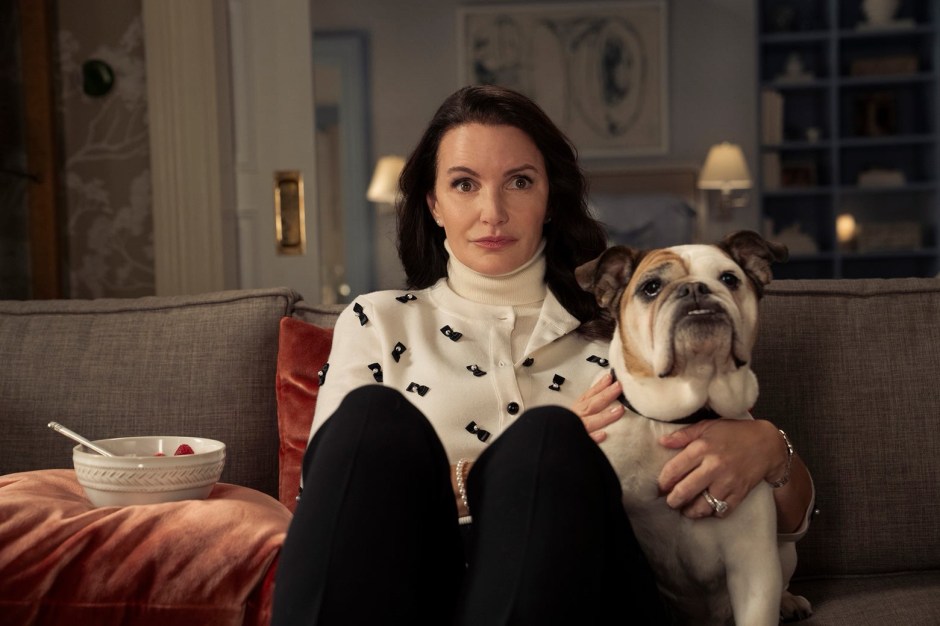
As I sat there, I couldn’t help but laugh — the kind of quiet, knowing laugh that comes with age. You see, for years I’ve imagined myself as Carrie Bradshaw — the free-spirited, stylish writer from Sex and the City, twirling through life in fabulous shoes and clever words. But apparently, I’m not Carrie anymore. I’ve become Charlotte.

Charlotte, with her house, her husband, her children, her dog — the woman who found meaning not in the city’s dazzle but in her home’s quiet rhythm. She used to seem naïve to me, a bit too proper. Now, I see her differently. She’s the one who stayed grounded. She’s the one who built something that lasted.

It’s funny how growing up changes the lens. We stop chasing glamour and start craving peace. We stop looking for the story’s hero and begin to value the ones who hold everything together behind the scenes.

I used to think being a Gryffindor was the dream — all courage, drama, and heroic flair. I loved the idea of it. In my twenties, Gryffindor felt like home — the house of Dumbledore, the house I believed even J.K. Rowling herself would be sorted into. That world shaped my imagination, fuelled my creativity, and gave me a sense of belonging when I needed it most. But as I grew older, something changed. When I saw Rowling’s transphobia emerge in 2019, the world I had held sacred began to crack. It felt like watching a piece of my youth crumble — the very magic that once inspired me revealing its darker corners.

Yet, perhaps that’s what growing up really is — learning to see hate for what it is, prejudice for what it is. I realised that maybe a Hufflepuff would have recognised this truth from the beginning — that kindness and empathy matter more than hero worship. The illusion of the flawless hero shattered, leaving behind something steadier: practicality, wisdom, and compassion.

Maybe that’s what life teaches us when it makes us dizzy — literally and metaphorically. That balance matters more than bravery. That it’s not about shining constantly, but about being there when it counts.

And honestly, as I start my medication and take a deep breath before the next round of festive madness, I realise something: I’ve built a life with roots. A life where, when I fell, four people rushed to help. A home where family still asks what I want for breakfast, because I am not up to making it myself. A circle that cares when I’m unwell.

For all the spinning, the world has never felt steadier.

Here’s to the Charlottes, the Neville Longbottoms, and the Hufflepuffs among us — the ones who may not seek the spotlight but who make sure the lights stay on.

The Lift, the Law, and the Limits of Human Decency

I am tired.

Not the kind of tired that a night’s sleep fixes, but the bone-deep exhaustion that comes from having to fight—again and again—for the most basic decency.

We’ve just taken possession of my mother’s new flat in a Cooperative Housing Society. A Bank of India colony, no less. Two lifts: one passenger, one service. And already, the managing committee has decided that pets are not allowed in the passenger lift. We are to use the service lift—the one meant for goods, for furniture, for trash.

Apparently, our dogs are objects now.

When I heard the news, anger wasn’t my first emotion—it was weariness. I had expected this, of course. The script is always the same. First comes the suspicion, then the whispering, then the notice on the board. “Pets not allowed.” Always the pets. Always the easiest targets.

It took a week in my current home. When we first came in, in 2019, someone immediately complained that a bit of my boxer’s drool had fallen on the lift floor. A couple of small gobs of saliva—nothing more. We cleaned it, naturally. Since then, we’ve been cleaning the lift every time we use it. Fair enough. But when greasy fingerprints line the walls of the lift or the corridors, nobody blinks. When food wrappers are left behind, when someone’s child drops chocolate, when oil marks stain the walls—silence. But dog drool? Outrage.

And now in the new building, a notice appears. Without the secretary’s consent—without even her knowledge. My mother is the secretary, incidentally. Certain members of the managing committee went ahead anyway, decided on its own, and printed that smug, illegal diktat.

She was furious. I was furious. She tried reasoning with them, but words faltered. So I spoke. I told one of them that this was illegal—that no society in India can ban pets from passenger lifts or common spaces. The Animal Welfare Board of India has made this clear. He brushed it aside. “Other buildings do it,” he said. As if illegality becomes law through repetition.

When I pressed him, he cut the phone.

Cut. The. Phone.

That’s what bullies do when logic corner them—they run.

I called a friend, who put me in touch with a lawyer. The lawyer told me I had been too respectful. He was right. He said I should have demanded they put their order in writing. Because once it’s in writing, it’s actionable. Illegal. Enforceable—in court, against them. He was ready to take it up if they dared formalise their prejudice.

And then I realised what this truly was: not about dogs, not about hygiene, not about drool. It’s about control. About people desperate to assert dominance over what they don’t understand.

They will tolerate drunks, loud music, cracker noise, domestic violence, gossip, hypocrisy—everything that corrodes the soul of a community. But not dogs. Not love. Not innocence.

It made me wonder why I even bother calling this place home.

I’ve fought my whole life—since I was a child—for the right to exist, to love, to be. I’ve been beaten, bullied, spat on, mocked—for being gay, for being different, for daring to be myself. I fought then. I fight now. And I will keep fighting.

Because this isn’t just about my dogs. It’s about what kind of people we have become. We cage compassion and call it order. We humiliate empathy and call it discipline. We dress up cruelty as “society rules.”

But I refuse to shrink.

I will speak up—for my dogs, for the voiceless, for those who cannot explain that drool dries and hearts break. I will call out hypocrisy when I see it, even if it’s etched in a printed notice on a lift door.

Yes, I’m tired. But I’d rather be tired from fighting for what’s right than be comfortable in the company of cowards.

So here’s to the next battle.

Because peace, apparently, must always be earned from the people who fear kindness the most.

Thade Rahiyo

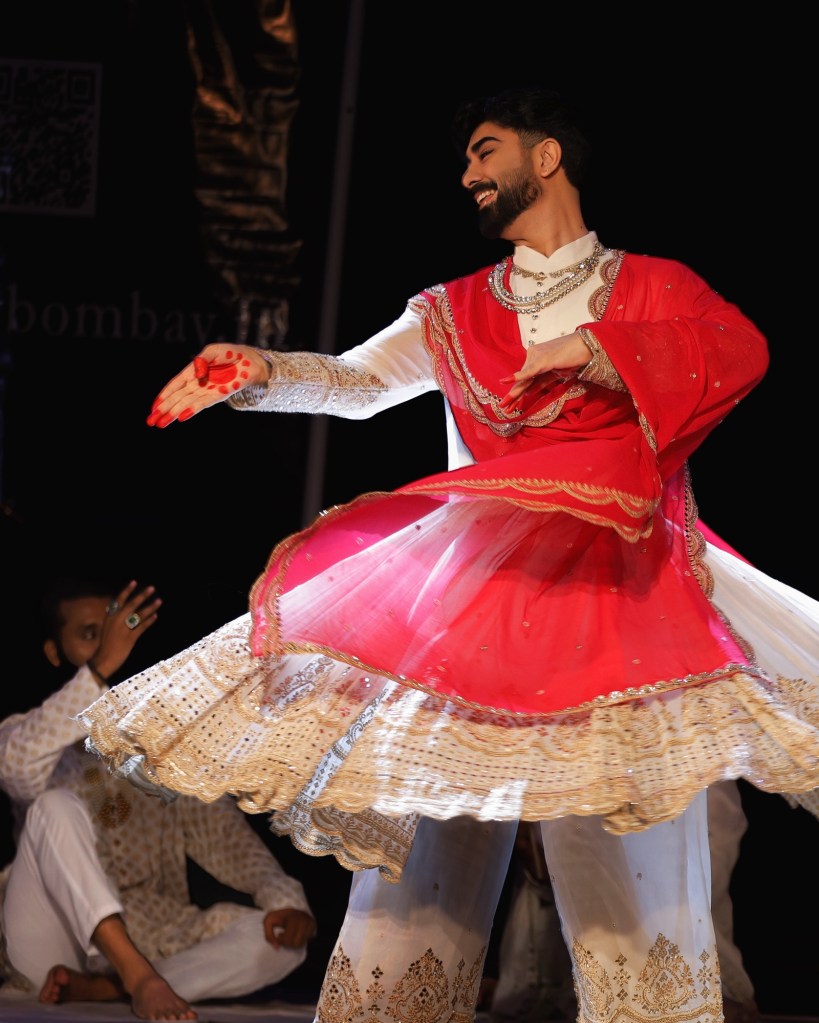
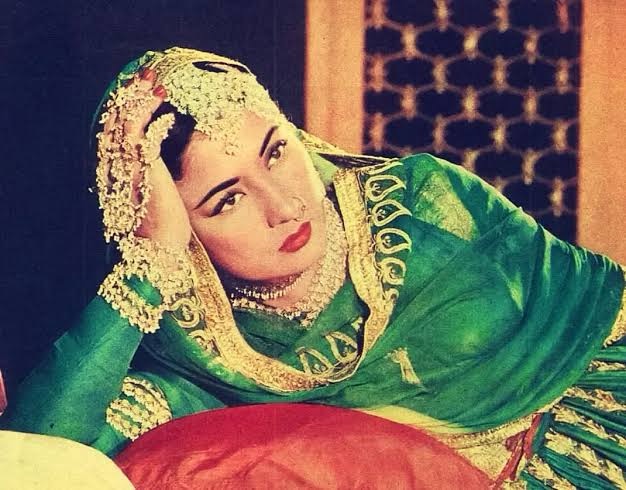
The journey with this performance began almost two years ago, when I first rehearsed and performed this song properly at my 49th birthday party. It became, in many ways, a tie-in to two extraordinary actresses of the 50s and 60s — Madhubala and Meena Kumari.

Since childhood, I have been emulating such iconic women. Growing up as a femme boy, it was difficult for me to model myself after men, especially given the lack of worthy male figures in my life. Instead, I was drawn to strong women — their magnetism, their aura, their power. Watching them on screen felt natural, and I found myself dancing to songs from Bollywood, long before I understood what it all meant. Film, song, and dance were always welcome in our home — though, of course, the “men” disapproved. Kathak became my artistic release, my stage of truth, and I performed for many years.

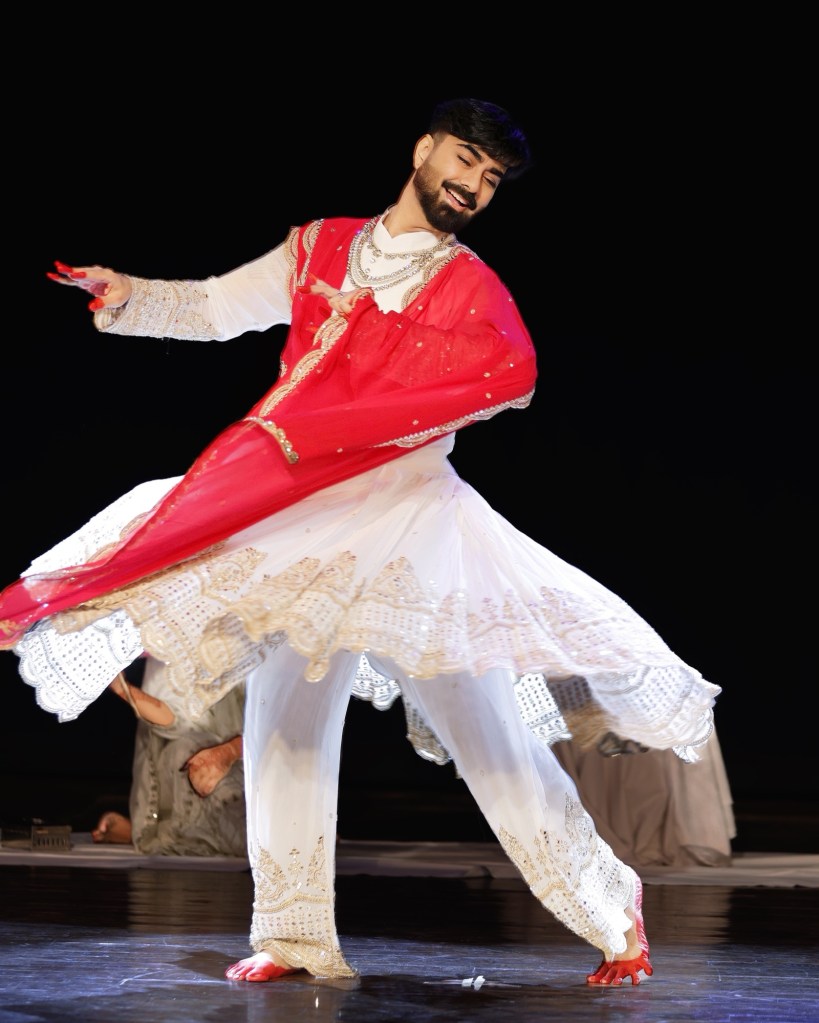
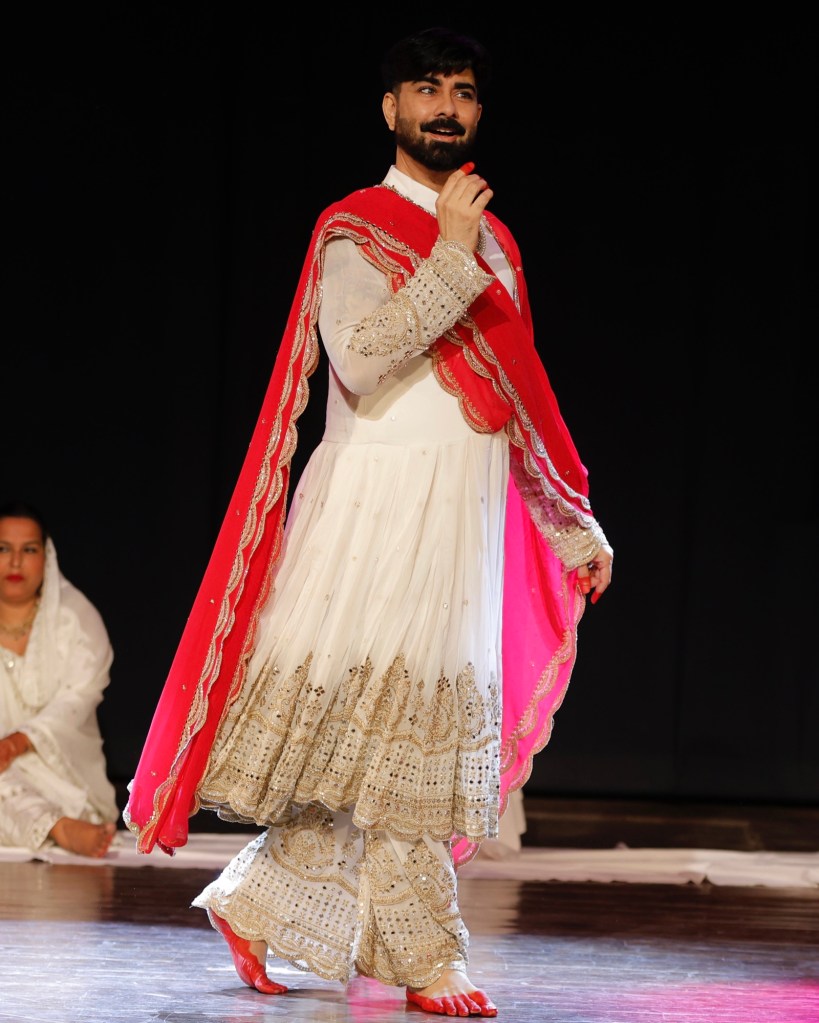
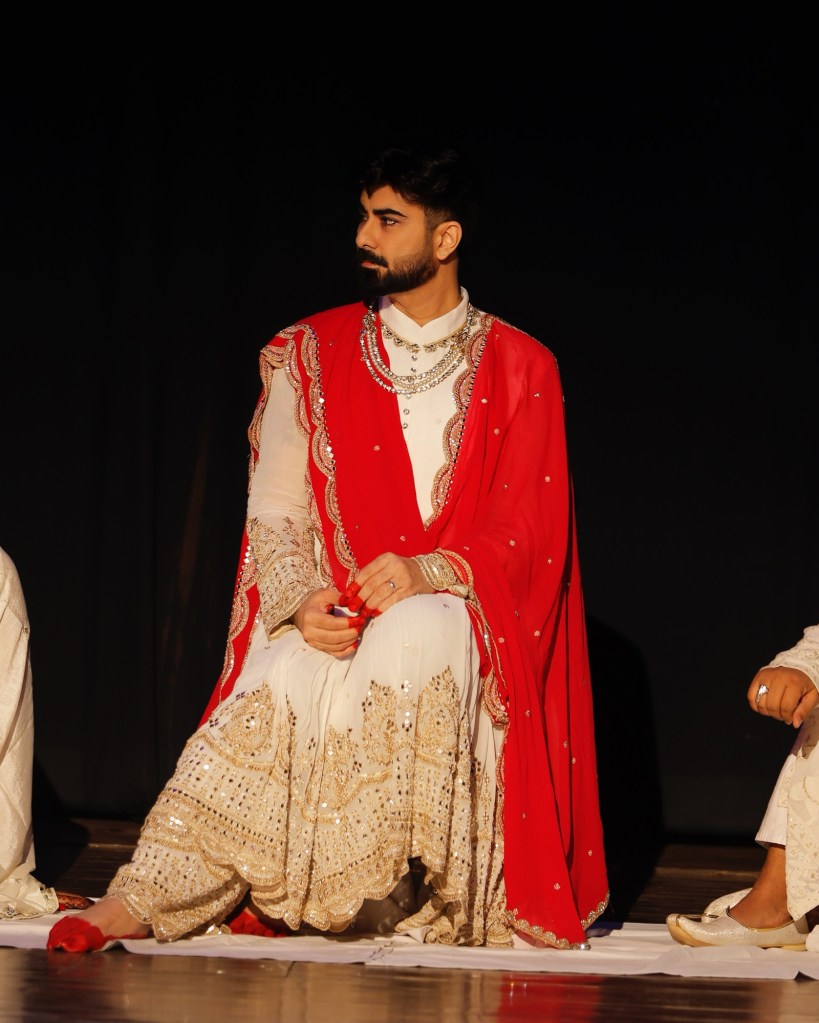
Later, when I entered the gay community, I realised quite young — at around 16 or 17 — that gender fluidity must always be welcome. I am glad to be living in an age now where Gen Z has embraced this with ease, not stigmatised it as my generation often did. I identify as a cis male gay man, but I am more than happy to allow my femme side to breathe. I love the alta, the dupatta, the grace of an anarkali draped just so. It is not drag in the traditional sense — it is fluid, playful, freeing.

So, for the Gay Bombay Talent Show on 21st September, I chose to honour both Madhubala and Meena Kumari through their iconic songs — Pyaar Kiya Toh Darna Kya and Thade Rahiyo. Initially, I went back and forth between Inhi Logo Ne and Thade Rahiyo, but my heart leaned towards Meena Kumari ji’s sheer elegance in the second. 

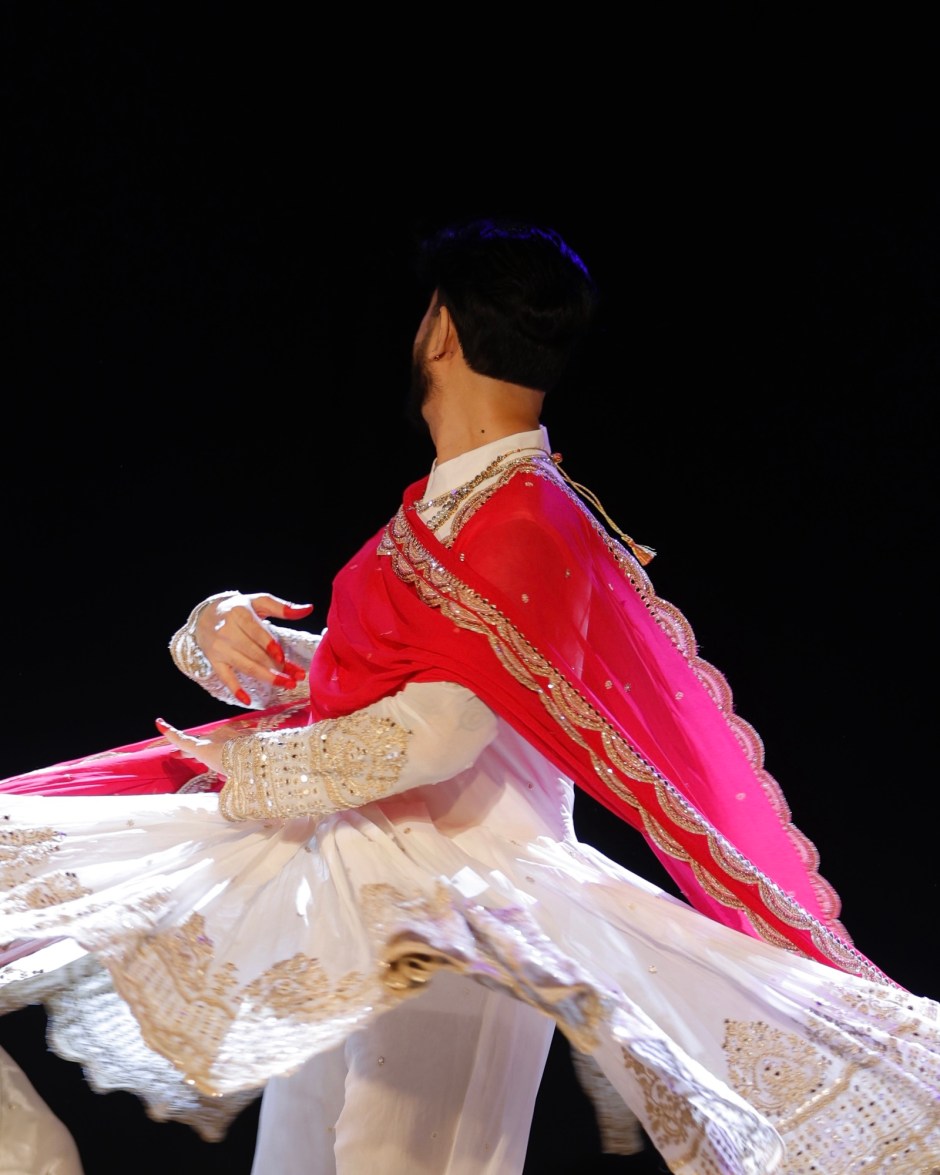
I even designed costumes for each piece. For Pyaar Kiya Toh Darna Kya, I sourced nearly 16 metres of fabric with heavy work along the hem. It looked magnificent but proved impossible to manage during the pure Kathak sequence of the first two minutes — the skirt was simply too heavy. That’s when I decided to let it be the costume for Thade Rahiyo, and I’m glad I did. As you can see it in the pictures. 

Everything came together so beautifully. I recreated the film sequence on stage, with my “muh-boli bahen” Christina as Gauhar Jaan and my friends stepping into the roles of Nawabs. We rehearsed at a cosy space called Little House in Yari Road, about four times, before taking it to stage. Everyone came dressed in white, with touches of red and pink to reflect the Nawabi splendour, and Christina stunned in a brand-new sharara.

When the performance began, some in the audience were unfamiliar with the song. At one point, when a Nawab “stormed off” as part of the act, people genuinely thought he was leaving in anger — only to realise it was woven into the choreography. With gunshots, bi-plays, and grandeur, it unfolded like living cinema. Under the stage lighting, it looked epic.

The pictures capture only glimpses — the costume, the styling, the mood — but the full video (which I’ll share once edited) tells the story. It was seamless, majestic, and made possible by my incredible co-performers: Christina, Savio, Ankush, Vishal, Saif, Gary, Urzaan, and Abhinav.

I’m exhausted, yes, but also deeply fulfilled. The entire talent show was a triumph — spectacular performances all around — and being on stage again felt brilliant. This is just the beginning. I think I shall keep doing this.