My Era

Here’s a concise, evidence-informed portrait of what people born around May 1975 (late Generation X) typically shared as formative childhood influences—blending global events with what generational psychology consistently finds for this cohort.

Your cohort at a glance

Cohort: Late Gen X (circa 1965–1980) Childhood: 1980s (primary school years) Adolescence: Early–mid 1990s (secondary school/uni entry)

Shared formative experiences (global)

Cold War backdrop & its end: Nuclear anxiety (drills, pop-culture doomsday), then sudden relief and optimism with the Berlin Wall (1989) and USSR collapse (1991). 24-hour TV news & shared global moments: CNN, live coverage of the 1991 Gulf War, mega telecasts like Live Aid (1985)—teaching that the world’s crises and concerts could be experienced in real time. Technological shift: analogue childhood → digital teens: Cassette tapes, VHS, arcade consoles and 8-bit games in childhood; then home PCs, dial-up internet, email, and early mobile phones in adolescence—producing “tech bilinguals”. MTV generation & global pop culture: Music videos, globalised fashion, and cross-border youth culture (Madonna, Michael Jackson, hip-hop’s rise, blockbuster cinema) shaping identity and aesthetics. Public tragedies as TV classroom: Challenger (1986), Chernobyl (1986), famines, and earthquakes—early lessons in risk, fallibility, and media spectacle. Health crises entering everyday talk: The AIDS epidemic normalised conversations about sex, stigma, and public health; it also seeded long-term empathy for marginalised groups. Economic whiplash & globalisation: Early-80s recession, late-80s recovery, then early-90s slowdown—plus offshoring and brand globalisation—teaching financial caution and adaptability. Parenting & family structure shifts: Higher divorce rates, dual-income households, and “latchkey kid” independence fostered self-reliance, pragmatism, and a low-drama, fix-it-yourself ethos. Education culture changing: Rising standardised testing and credential focus, but still pre-“helicopter” oversight—encouraging problem-solving without constant adult mediation. Civic pluralism awakening: The late 80s/early 90s saw visible movements for LGBTQ+ rights, anti-apartheid activism, and environmentalism—introducing a values frame of fairness + personal freedom.

Likely psychological imprint

Independent, sceptical, and self-taught: Learned to handle things solo, distrust hype, and figure out new tech and systems on the fly. Pragmatic idealists: Care about fairness and inclusion, but insist on practical ways to make change. “Tech-bridge” confidence: Comfortable translating between older analogue habits and newer digital platforms. Boundary-aware in relationships: Early exposure to instability made many Gen-Xers prize honesty, steadiness, and clear limits. Media-literate: Grew up decoding spectacle vs substance—and value candour over performance.

Regional notes (India-relevant, if it speaks to your story)

While your question is global, many in India born in 1975 also internalised: 1975–77 Emergency (as family memory), 1983 Cricket World Cup nation-building pride, 1984 tragedies (Operation Blue Star/anti-Sikh violence; Bhopal disaster), and 1991 economic liberalisation—a pivot from scarcity to possibility. Cable TV in the 90s brought MTV, global sport, and advertising into living rooms, accelerating the Gen-X blend of thrift + aspiration.

In one line

Born in 1975, you’re part of a generation raised on independence and realism—shaped by Cold War endings, MTV beginnings, analogue roots, digital adolescence, and a lifelong instinct to value honesty, competence, and love over show.

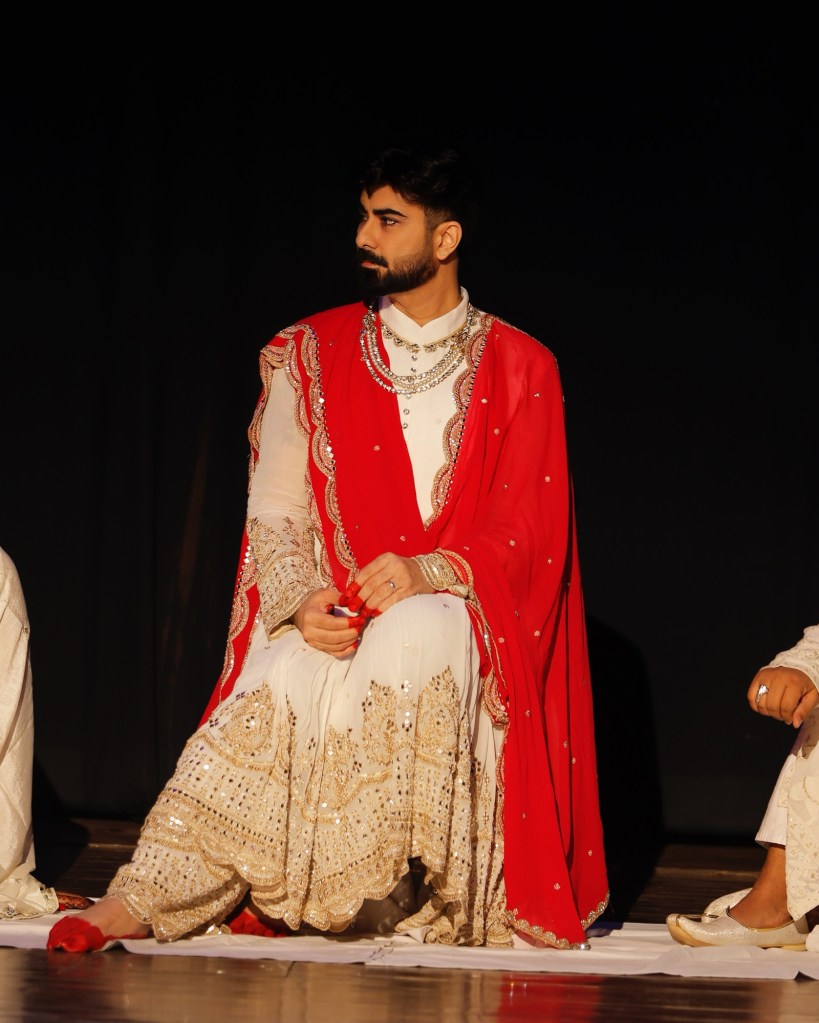
Who am I?

I have lived a life shaped by shadows and by light. My father gave me nothing but DNA and trauma — he was not a father, not in any true sense of the word. What I inherited from him was not love or protection but insecurity, heartbreak, and scars I’ve carried for years. And yet, I refused to let that darkness define me. At sixteen, I came out to my mother; by nineteen, to the rest of my family. I took the reins of my life in my own hands and chose honesty over fear.

From the very beginning, my compass has never been ambition, wealth, or status. I am not the man who runs after big cars or sprawling houses. I am the man who believes that love — real, messy, courageous love — is enough. My greatest hope has always been simple: to love and to be loved in return.

I am not perfect. I’ve hurt people, I’ve made mistakes, and when I do, I take responsibility. That is who I am: someone who owns his flaws and keeps moving forward. I have lived my life openly, without regret. I have explored love in its different forms — monogamy, openness, polyamory. I’ve had my heart broken more times than I care to count, but through all of it, I have never pretended to be anyone other than myself.

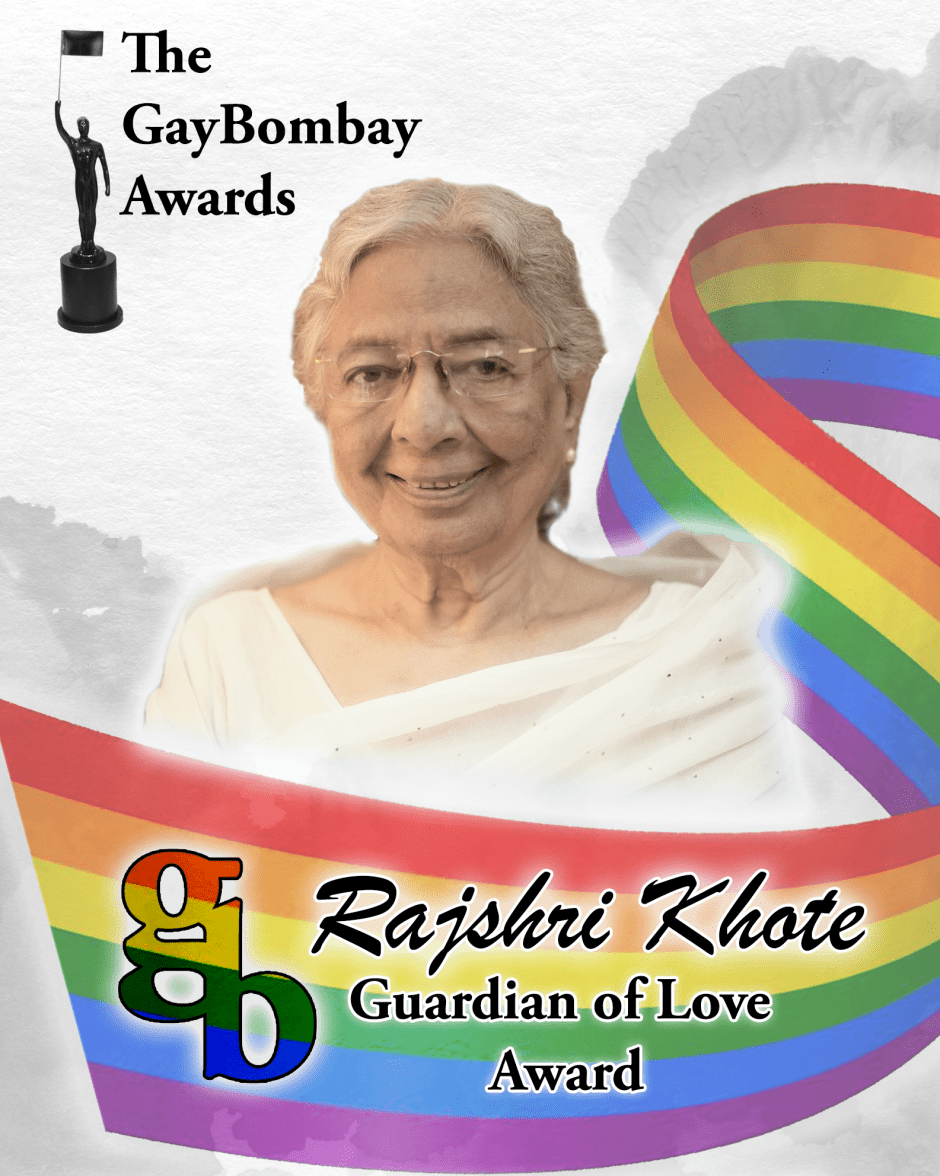
Since I was twenty-one, I have been part of the LGBTQ+ community, not just as a member but as someone who opened his home, his family, and his life to others. I wanted people to see what honesty looks like, what self-acceptance can do. I’ve believed — and still believe — that everyone should be allowed to live and let live. If your words or actions harm no one, then you should be free to be who you are. That’s how I have lived, and that’s the example I hope I’ve set.

It hasn’t been easy. Growing up under abuse leaves you with trust issues, especially with men. It leaves you questioning whether love will ever be as steady as the love you give. I’ve stood up to bullies, survived the violence of my own father, and fought through the weight of depression when life felt unbearable. And yet, I am still here — standing, writing, loving.

Who am I?

I am a man who is moral, empathetic to a fault, and honest even when it costs me. I am someone who doesn’t give up on people easily, even when it hurts. I am someone who has learned that my worth is not negotiable.

I am worth recognition. I am worth appreciation. I am worth love.

And I know it.

When Beauty Becomes a Mirror

The other evening, I found myself in an unexpected emotional spiral, all because of eyeliner.

I was watching Joanna Lumley in the new season of Wednesday and I said to my partner, “Look at her eyes—so unwrinkled, she can put eyeliner so effortlessly. She’s older than my mother, and yet my mother struggles to apply eyeliner at all.”

My partner quickly pointed out that I shouldn’t be comparing actresses to my mother. I understood his point, of course. What I had expected was a conversation about how celebrities have stylists, makeup artists, and perhaps even plastic surgery, whereas my mother has lived through cancer, disease, and hardship—with a face that carries those battles. Instead, his response was, “You wouldn’t like it if I compared you to Hrithik Roshan or Anil Kapoor.”

And that hit me hard.

Because the truth is, I’m fifty. And for fifty, I know I still look good. I hear it often enough—just the other day, someone told me I looked 30, maybe 33 at most. And yet, coming from the person I love, the comparison stung. Perhaps it’s because we’re not as physically intimate as before. Perhaps it’s because I have gained weight, stopped going to the gym, and sometimes feel like I’ve “let myself go.”

The irony is, strangers often see me at my best—when I’m dressed well, energised, smiling. My partner, like anyone close, sees me at my worst—the morning face, the bad breath, the paunch that refuses to stay tucked in. And I wonder: why is it that admiration from the outside world cannot quieten the insecurities that come alive in love’s mirror?

Maybe this is my wake-up call. To do better, look better, feel better—not because I need to compete with Hrithik Roshan, who has trainers, makeup teams, and an entire industry polishing his image—but because I want to stand tall in my own skin again.

Ageing is strange. On one hand, I feel proud of how I’ve carried myself through fifty years. On the other, a single comment can undo all that pride and pull me into comparison. Perhaps the lesson here is that beauty is not a fixed point—it’s a moving mirror, and sometimes the hardest reflection to accept is the one shown by those we love most.