The Black Stallion

The Black Stallion is a film that has stayed with me ever since I first saw it as a five-year-old in the theatre. Released in 1979, it wasn’t until a year later that I watched it—first with my mother and later with my grandmother, in the theatre. Those memories of sharing this film with them have made it all the more precious to me, especially since many of those who shared that experience are no longer with me. The movie itself captured my young imagination with its stunning depiction of bonding between a boy and his horse, a fascination that had already been kindled by hours spent watching David Attenborough narrate the wonders of our planet.

Directed by Carroll Ballard, The Black Stallion tells the story of Alec Ramsey, a young boy marooned on a deserted island with a wild, black, Arabian horse. What makes the movie so unforgettable is the wordless bond that forms between Alec and the Black. The first half of the film has minimal dialogue, allowing the majestic visuals to take centre stage. Ballard’s direction in these moments is magical—especially the scene where Alec and the Black connect for the first time against the backdrop of a glowing sunset. The beauty and stillness of those scenes are seared into my mind as vividly as though I were watching them unfold in front of me even now.

Kelly Reno, who played Alec, was just 11 years old when he took on the role, and his natural performance helped make the relationship between the boy and the horse feel completely believable. But of course, the real star of the film was Cass-Olé, the Arabian stallion who played the Black. His grace, power, and beauty were breathtaking to watch on screen, and the bond between horse and boy felt as though it transcended the screen. The other horses used for racing scenes were just as magnificent, but none captured my imagination quite like Cass-Olé.

Mickey Rooney’s performance as Henry Dailey, the retired jockey who trains Alec and the Black for the climactic race, added warmth and depth to the second half of the film. The race itself remains one of the most thrilling and beautifully shot sequences in cinema. Even now, I haven’t seen another horse race in film that matches the raw intensity and realism of The Black Stallion’s final race—except, perhaps, Seabiscuit, another favourite of mine. Yet, for all the greatness of the narrative of Seabiscuit, The Black Stallion will always hold a special place as my personal, all-time favourite.

The music in the film, composed by Carmine Coppola, is hauntingly beautiful. Every note lingers, creating a dream-like atmosphere that draws you back into that misty world of ocean air, dewy mornings, and the wild freedom of a horse’s mane flowing in the wind. I can still hum the title music and recall the melodies that accompanied the final credits.

What makes The Black Stallion so poignant to me personally is that it holds memories of every member of my family who once watched it with me. Watching the film was a shared experience that transcended the screen, making it a cherished part of my life. Today, when I think of this film, it’s not just the beauty of the story or the visuals that come to mind, but the deep, emotional connections I had with my mother, my grandmother, my aunts, and others who sat beside me in the theatre all those years ago. It’s more than a movie—it’s a piece of my past, and that’s why it will always be so dear to me.

Watch the End Credits and hear the music in this video: it begins from 1:06 minutes…
End Credits – The Black Stallion

Sense & Sensibility

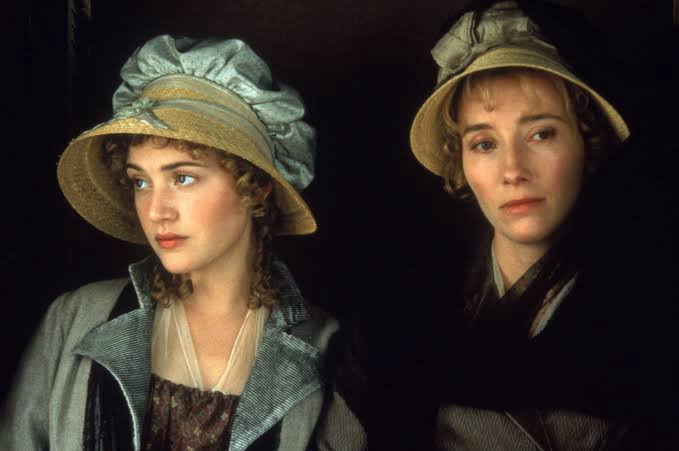
Sense and Sensibility has always been a story close to my heart. I first discovered Jane Austen while studying literature in college, and I instantly fell in love with her writing. Among her works, Sense and Sensibility stood out to me with its beautiful exploration of emotion and reason, the delicate interplay of love, loss, and societal expectations. Imagine my joy when, during my final year of college—a year where I had fully embraced my passion for literature—Ang Lee’s adaptation of the novel was released.

Emma Thompson, one of my favourite actresses, not only starred as Elinor Dashwood but also wrote the script. Her adaptation beautifully captured the essence of Austen’s work. The year this film came out was a wonderful one for me, filled with personal contentment and a deepening love for literature. It felt like a perfect alignment: one of my favorite books brought to life by someone I admired.

The cast was nothing short of extraordinary. Kate Winslet, who played the sensitive and passionate Marianne Dashwood, burst onto the scene for me. This was the first time I had seen her perform, and she captivated me instantly. Of course, Alan Rickman’s portrayal of Colonel Brandon added a depth of quiet longing and sincerity that made him unforgettable. His tender yet restrained devotion to Marianne was delivered with such subtlety that you couldn’t help but root for him. And then there was Hugh Grant, portraying Edward Ferrars with his signature mix of charm and awkwardness. His performance brought the comic timing needed to balance the film’s more tragic moments.

What made the film remarkable for me was the way it navigated between comedy and tragedy. Thompson’s script effortlessly balanced the comic relief found in awkward social situations with the deeper emotions of unspoken love and personal sacrifice. There’s a certain emotional rise and fall to the movie, a tempered build-up that reflects life’s natural ebb and flow. The highs and lows, the elevation and depression of Austen’s narrative, were captured so vividly, it felt like watching a delicate dance.

Nearly 30 years have passed since I first saw it, yet I still consider it one of the finest Austen adaptations. I can quote its dialogues by heart, and some of its comic moments still lift my spirits when I think of them. It’s a timeless piece that catapulted Kate Winslet into stardom, leading her to even greater heights with Titanic. But for me, Sense and Sensibility will always remain special—a film that arrived in my life at the perfect moment, one that still holds a cherished place in my heart.

Navratri

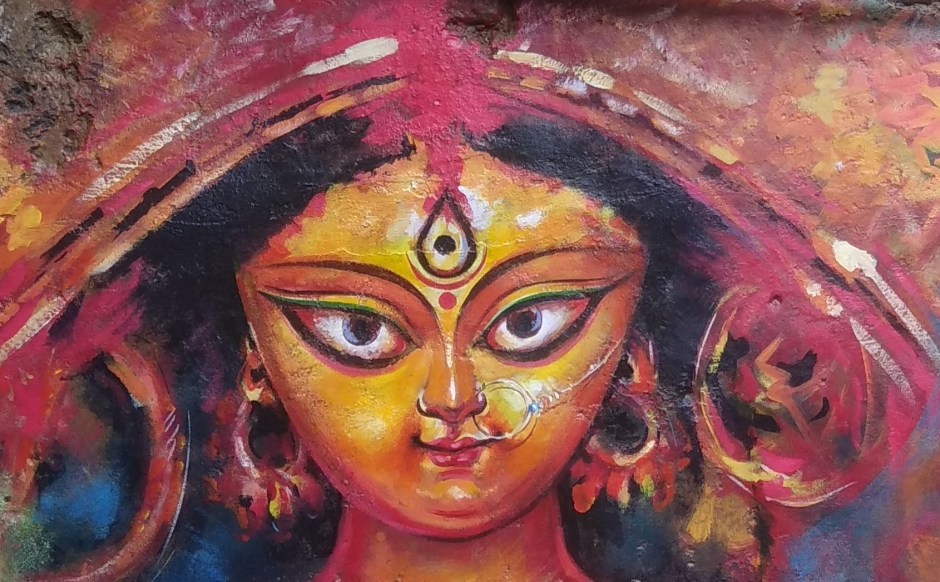
I see people celebrating Navratri with such happiness and vigour. Everywhere there is celebration and euphoria. The goddess has come to vanquish Mahishasura. Darkness is driven out by light. The feminine is celebrated. Revered. Hailed. Worshipped. But it is ironic, even maddening, how during Navratri, people go all out celebrating the goddess in her many form—while the everyday reality for countless women in India remains grim. It’s a glaring contradiction that we elevate the divine feminine during this festival, yet ignore the appalling state of women in our country for the rest of the year.

Women in India, particularly in rural and underprivileged areas, still struggle to access basic education. The dream of empowerment through knowledge is withheld from them, while societal structures remain in place to control and suppress them. Domestic life for many wives is degrading, with women expected to bear the burden of patriarchal expectations, often being treated as less than equal partners. And shockingly, marital rape remains legal—this grotesque violation of dignity continues without consequence in a country that prides itself on moral and cultural values.

For women, especially in more traditional and conservative families, agency is stifled. Whether due to religious norms or community expectations, their voices are too often silenced, their desires overlooked. This is not the empowerment or respect that the goddess we celebrate stands for.

The statistics for assault and rape against women in India reveal a troubling reality. According to the National Crime Records Bureau (NCRB) data, the figures continue to be alarming: In 2021, 31,677 cases of rape were reported across India, which means an average of about 86 rapes per day. The actual numbers are likely way higher, as many cases go unreported due to social stigma, fear of retaliation, or lack of legal support.

There were 75,278 cases of assault on women with the intent to outrage their modesty, which includes sexual harassment, molestation, and stalking. There were Around 137,000 cases of domestic violence reported under the category of “cruelty by husband or relatives” in 2021. Many more go unreported, especially in rural areas or within conservative households. The conviction rate for rape cases in 2021 was only 28.6%, indicating systemic issues within law enforcement and the judiciary that allow many offenders to escape accountability.

These statistics highlight the widespread issue of violence against women in India, where societal attitudes, legal inadequacies, and lack of enforcement continue to fuel gender-based violence. The legal system, although present, is not robust enough to deter or adequately punish perpetrators, leaving women vulnerable.

What’s the point of worshipping a goddess if women in real life are not granted the dignity, freedom, and respect they deserve? The hypocrisy is glaring. True reverence for the feminine should manifest in how society treats its women every day, not just in dance rituals for nine nights. Until we address the deep-rooted misogyny, the lack of legal protection for women, and the everyday oppression they face, celebrating the goddess feels hollow—nothing more than a performative gesture in a country where half its population continues to be shackled by inequality and disrespect.