BDD

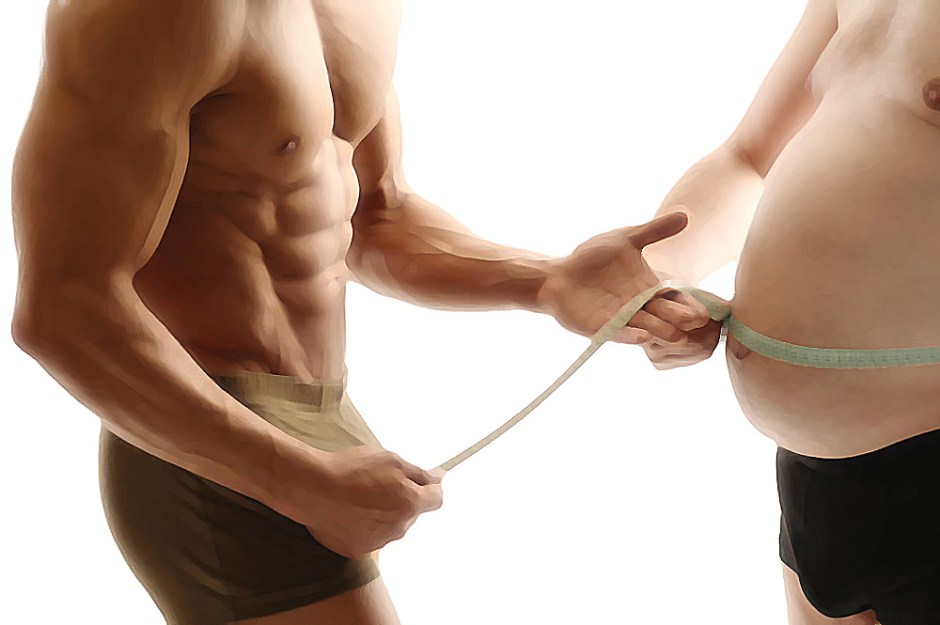
I recently watched Heartstopper Season 3, which is not only an excellent LGBTQ+ series but also refreshingly inverts the typical media landscape by placing queer characters at the centre. This representation makes straight people feel like the “odd ones out.” One of the key themes in this season is body dysmorphia—a mental health condition that involves an obsessive focus on perceived flaws in one’s appearance. This series led me to reflect on how common body image issues have become, particularly in the age of social media.

What is Body Dysmorphic Disorder (BDD)?

Body Dysmorphic Disorder is defined by the NHS as a mental health condition where individuals spend a lot of time worrying about flaws in their appearance, often minor or unnoticeable to others. It can significantly impact daily life and self-esteem. According to the International OCD Foundation, around 1 in 50 people are affected by BDD, making it a relatively common condition, particularly among teenagers and young adults.

Social Media and Body Comparison

These days, platforms like Instagram and TikTok exacerbate body dysmorphia. Filters, perfect lighting, and curated images set unrealistic standards. Studies show that 88% of women and 65% of men compare themselves to images on social media, often leading to negative body image and dissatisfaction with their own appearance. In fact, adolescents who frequently use social media are at greater risk for developing body image issues.

Childhood Experiences and Body Image

My personal experience aligns with these findings. As a Sikh boy growing up, I remember being teased about my turban and physical traits. Bullying around body image or appearance is not uncommon in childhood, and these early experiences can embed long-lasting insecurities. For me, it wasn’t just about my hair—I was also teased for being effeminate, having a small torso, and larger hips, which added to my body image struggles.

Body Changes and Identity Formation

Body image concerns tend to worsen during adolescence. The body undergoes significant changes between the ages of 13 and 18, a critical time for identity formation. As I transitioned through these phases, I gained weight during my teens and then lost it during college. This constant flux made me more conscious of my appearance. Like many, I looked to male ideals—broad shoulders, muscular torsos—standards that I didn’t feel my body met.

Gay Men and Body Image

In the gay community, body image pressures can be particularly intense. Studies suggest that 42% of gay men report body dissatisfaction, compared to 29% of heterosexual men. As a gay man, I felt these pressures acutely, from worrying about my weight to comparing how my body looked—chest, abs, even penis size—against societal expectations. The pervasive focus on physical perfection in the gay dating scene can lead to unhealthy self-comparisons, which was well-illustrated in Heartstopper.

Clothing and Body Protection

For me, fashion became a protective layer. I found comfort and confidence in clothes, which acted like a second skin. This isn’t uncommon; research shows that clothing and appearance are often used as coping mechanisms for body image dissatisfaction. Styling others also gave me joy, reinforcing that appearance can be empowering, but it also masked deeper insecurities.

The Paradox of Love and Physical Attraction

While we often say that love is about looking beyond the physical, I believe that initial attraction is deeply tied to appearance. Studies suggest that physical attraction is often the first spark in romantic relationships, and it takes time for emotional and intellectual connections to develop. Over time, though, emotional bonds replace the need for constant physical attraction. Ironically, in long-term relationships, people sometimes let their physical appearance slip, leading to a potential decline in mutual attraction.

The Toxic Cycle of Body Image and Relationships

This creates a toxic cycle: we start questioning our own bodies when we feel a loss of attention or attraction from our partner. It’s common for people to feel they’ve “let themselves go,” leading to self-blame and even more body dissatisfaction. Despite knowing that true love should transcend physicality, it’s difficult to escape these ingrained notions. The pressure to mould ourselves to fit societal standards remains strong, as Heartstopper poignantly highlighted.

Body Dysmorphia and Relationship Dynamics

Heartstopper Season 3 forces us to confront how deeply body image issues are interwoven with romantic relationships. Body dysmorphia affects how we view ourselves and how we approach love. Until we address these toxic perceptions—rooted in societal conditioning, social media, and early experiences—our relationships will continue to be shaped by the way we see our own bodies.

This thought process integrates statistics and definitions, placing your personal reflections within a larger framework of body image, social conditioning, and mental health.

The Black Stallion

The Black Stallion is a film that has stayed with me ever since I first saw it as a five-year-old in the theatre. Released in 1979, it wasn’t until a year later that I watched it—first with my mother and later with my grandmother, in the theatre. Those memories of sharing this film with them have made it all the more precious to me, especially since many of those who shared that experience are no longer with me. The movie itself captured my young imagination with its stunning depiction of bonding between a boy and his horse, a fascination that had already been kindled by hours spent watching David Attenborough narrate the wonders of our planet.

Directed by Carroll Ballard, The Black Stallion tells the story of Alec Ramsey, a young boy marooned on a deserted island with a wild, black, Arabian horse. What makes the movie so unforgettable is the wordless bond that forms between Alec and the Black. The first half of the film has minimal dialogue, allowing the majestic visuals to take centre stage. Ballard’s direction in these moments is magical—especially the scene where Alec and the Black connect for the first time against the backdrop of a glowing sunset. The beauty and stillness of those scenes are seared into my mind as vividly as though I were watching them unfold in front of me even now.

Kelly Reno, who played Alec, was just 11 years old when he took on the role, and his natural performance helped make the relationship between the boy and the horse feel completely believable. But of course, the real star of the film was Cass-Olé, the Arabian stallion who played the Black. His grace, power, and beauty were breathtaking to watch on screen, and the bond between horse and boy felt as though it transcended the screen. The other horses used for racing scenes were just as magnificent, but none captured my imagination quite like Cass-Olé.

Mickey Rooney’s performance as Henry Dailey, the retired jockey who trains Alec and the Black for the climactic race, added warmth and depth to the second half of the film. The race itself remains one of the most thrilling and beautifully shot sequences in cinema. Even now, I haven’t seen another horse race in film that matches the raw intensity and realism of The Black Stallion’s final race—except, perhaps, Seabiscuit, another favourite of mine. Yet, for all the greatness of the narrative of Seabiscuit, The Black Stallion will always hold a special place as my personal, all-time favourite.

The music in the film, composed by Carmine Coppola, is hauntingly beautiful. Every note lingers, creating a dream-like atmosphere that draws you back into that misty world of ocean air, dewy mornings, and the wild freedom of a horse’s mane flowing in the wind. I can still hum the title music and recall the melodies that accompanied the final credits.

What makes The Black Stallion so poignant to me personally is that it holds memories of every member of my family who once watched it with me. Watching the film was a shared experience that transcended the screen, making it a cherished part of my life. Today, when I think of this film, it’s not just the beauty of the story or the visuals that come to mind, but the deep, emotional connections I had with my mother, my grandmother, my aunts, and others who sat beside me in the theatre all those years ago. It’s more than a movie—it’s a piece of my past, and that’s why it will always be so dear to me.

Watch the End Credits and hear the music in this video: it begins from 1:06 minutes…

End Credits – The Black Stallion

Sense & Sensibility

Sense and Sensibility has always been a story close to my heart. I first discovered Jane Austen while studying literature in college, and I instantly fell in love with her writing. Among her works, Sense and Sensibility stood out to me with its beautiful exploration of emotion and reason, the delicate interplay of love, loss, and societal expectations. Imagine my joy when, during my final year of college—a year where I had fully embraced my passion for literature—Ang Lee’s adaptation of the novel was released.

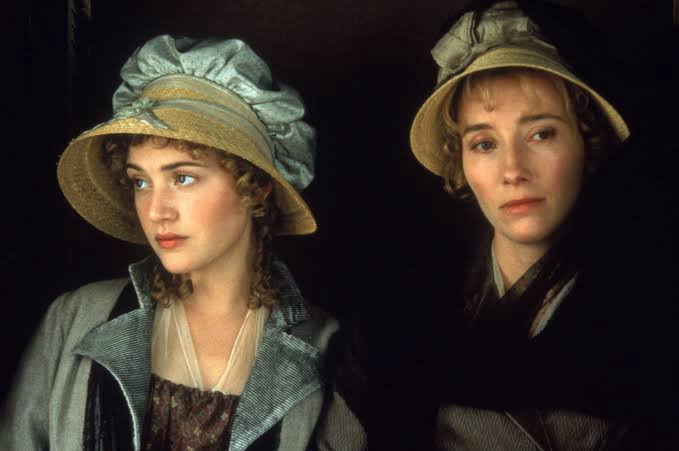
Emma Thompson, one of my favourite actresses, not only starred as Elinor Dashwood but also wrote the script. Her adaptation beautifully captured the essence of Austen’s work. The year this film came out was a wonderful one for me, filled with personal contentment and a deepening love for literature. It felt like a perfect alignment: one of my favorite books brought to life by someone I admired.

The cast was nothing short of extraordinary. Kate Winslet, who played the sensitive and passionate Marianne Dashwood, burst onto the scene for me. This was the first time I had seen her perform, and she captivated me instantly. Of course, Alan Rickman’s portrayal of Colonel Brandon added a depth of quiet longing and sincerity that made him unforgettable. His tender yet restrained devotion to Marianne was delivered with such subtlety that you couldn’t help but root for him. And then there was Hugh Grant, portraying Edward Ferrars with his signature mix of charm and awkwardness. His performance brought the comic timing needed to balance the film’s more tragic moments.

What made the film remarkable for me was the way it navigated between comedy and tragedy. Thompson’s script effortlessly balanced the comic relief found in awkward social situations with the deeper emotions of unspoken love and personal sacrifice. There’s a certain emotional rise and fall to the movie, a tempered build-up that reflects life’s natural ebb and flow. The highs and lows, the elevation and depression of Austen’s narrative, were captured so vividly, it felt like watching a delicate dance.

Nearly 30 years have passed since I first saw it, yet I still consider it one of the finest Austen adaptations. I can quote its dialogues by heart, and some of its comic moments still lift my spirits when I think of them. It’s a timeless piece that catapulted Kate Winslet into stardom, leading her to even greater heights with Titanic. But for me, Sense and Sensibility will always remain special—a film that arrived in my life at the perfect moment, one that still holds a cherished place in my heart.