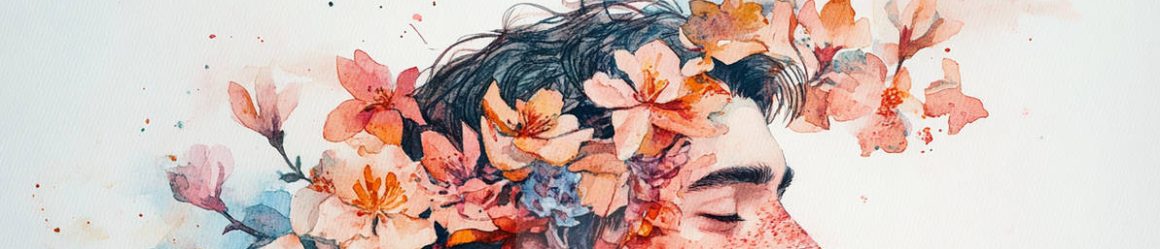

“Cancel culture” is a term tossed around with reckless ease. It is at once a source of panic for the powerful and a tool of resistance for the marginalised. It is weaponised, misunderstood, over-applied, and under-theorised. But for me, it is something quieter. A deeply personal act. Not a call to arms, but a call to account. I don’t cancel at random, nor do I cancel to trend. I cancel to think. To feel. To stay true.
Let me be clear: I don’t believe in dehumanising those who think differently. I don’t believe in violence—verbal or physical—as a way of enforcing ideological alignment. And yet, I live in a country where the state has weaponised cancel culture far more violently and effectively than any hashtag ever could.
In today’s political landscape, democracy has been reduced to a theatre of obedience. Speak out, and you’re branded anti-national. Question power, and masked goons appear to “correct” your thinking—with lathis, with bulldozers, with threats to livelihood and safety. Institutions once meant to uphold democracy now police dissent. Universities, artists, journalists, and even schoolchildren are not spared. The State has adopted cancel culture—but its version is not moral disengagement. It is erasure. Brutal, literal, and often irreversible.
So then the question arises: What is cancel culture really? Is it this authoritarian intolerance of critique? Or is it something else entirely?
Sociologist Max Weber spoke of the “monopoly on legitimate violence” that the State holds—yet in today’s climate, we must ask: what legitimises that violence when it is used not to protect the people but to silence them? Antonio Gramsci would point to hegemony: how dominant ideas are normalised through cultural institutions, making the dissenting voice seem irrational, even dangerous. And Michel Foucault, ever prescient, would remind us that power doesn’t merely punish; it produces knowledge, truth, and identity. In such a scenario, calling out a public figure or institution becomes less about cancellation and more about survival.
We must be able to distinguish between public accountability and State-sanctioned suppression. Cancel culture, in its most honest form, is a civilian tool. It allows individuals to reject systems, figures, or works that no longer align with their ethics. It is non-violent. It is reflective. It is—at best—an expression of democratic choice.
So when I withdraw my support from someone like J.K. Rowling, it is not a call for her destruction. It is an act of disengagement. I find her views on trans people reprehensible, even though her books shaped generations. The contradiction doesn’t escape me. Nor does the discomfort of reading Neil Gaiman now, knowing the sexual abuse allegations surrounding him. I don’t cancel from hate—I cancel from heartbreak.
And yet, I know the world isn’t black and white. The MeToo movement exposed thousands of valid stories, but it also caught up innocent people—collateral damage in a much-needed revolution. Gandhi boycotted foreign goods to build self-reliance and defiance, but even that choice was not free of complications. These were symbolic acts, deeply political but also deeply personal.
The irony is that while critics decry the “intolerant left” for cancelling, the right has mastered the art of cancellation through brute force. They demolish homes, censor films, break stages, imprison poets, and ban books. Their version of cancel culture wears a boot and carries a stick. But violence is not cancellation—it is suppression. And suppression, unlike cancellation, leaves no room for return, reformation, or redemption.
So here’s my dilemma: If we don’t think through our cancellations, we become the mirror image of the oppressor. But if we never cancel—if we always “separate art from the artist,” if we forever “agree to disagree”—then at what point does silence become complicity?
Sociological theory suggests that no act is free from the power structures around it. But the more we think, the more valid our choices become. Thoughtfulness is the soul of ethical cancellation. It doesn’t always come with clarity. Sometimes it comes with conflict, with sour tastes in the mouth, with the slow erosion of childhood heroes. But that is the burden of having a conscience.
So no, I do not cancel to destroy. I cancel to define. Not others—but myself.
And if thinking makes that act more valid, then I will keep thinking. Loudly, privately, messily. Until it makes sense. Or until I must act again.
 Hearts Still Care