
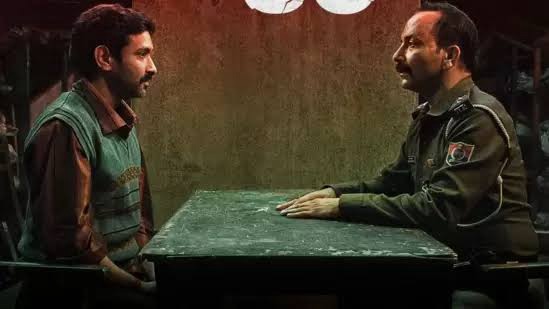
Watching Sector 36, one can’t help but be haunted by the grim reality it portrays—a reality that has unfolded in India over the past two decades. The movie leaves you questioning: how could such atrocities have occurred? And why was there no uproar when they did? The answer is stark and troubling—it didn’t happen because the victims were poor.
In India, wealth and power create shields of protection. The tragedies that befall the underprivileged are often met with indifference. This becomes painfully clear when you compare the muted response to the Nithari killings, where over 30 children were brutally murdered, to the outcry over the rape and murder of a doctor from a higher social standing. Both cases involved massive cover-ups, yet only one sparked national outrage. The victims’ socio-economic status determined the level of public sympathy, a truth that resonates throughout Sector 36.
The film shines a spotlight on the systemic injustice that plagues India. The system is a well-oiled machine, designed to serve the powerful. Crores of rupees are spent on lavish weddings and towering statues, while rapists walk free, and whistleblowers languish in prison. We rage against the system, yet we are the system too, perpetuating the very inequalities we decry.
Over the years, India has witnessed several high-profile rape cases that stirred public conscience and led to legal reforms. The Nirbhaya case, for example, resulted in nationwide protests and swift changes to criminal law. But the hard truth is that justice tends to be swift when the accused lack political connections. Where political power is involved, the wheels of justice grind to a halt. Take the Unnao rape case—BJP legislator Kuldeep Sengar evaded arrest for months until media pressure became too loud to ignore. On the flip side, crimes in opposition-ruled states often face heightened scrutiny, with political rivals quick to weaponize these tragedies for their gain.
Sector 36 forces us to confront the fact that crimes in rural areas or involving marginalized communities, particularly Dalits, often go unnoticed. Media coverage is heavily skewed towards metropolitan incidents, leaving the most vulnerable without a voice. The case of the Hathras gang rape—a Dalit woman raped and murdered by upper-caste men in Uttar Pradesh—barely scratched the surface of national consciousness. In these cases, patriarchal values, victim-blaming, and political protection for perpetrators drown out public outrage, creating a system where justice is reserved for the few.
Vikrant Massey delivers a brilliant performance, as expected, but the surprise standout is Deepak Dobriyal’s portrayal of the inspector who uncovers the horror. The film’s pacing is swift, allowing the story to unfold without lingering unnecessarily on the grisly details of the crimes themselves, though their very nature is horrific enough to leave an indelible mark.
Ultimately, Sector 36 is not just a film about a series of murders—it’s an exposé of India’s deep-rooted inequalities, where the poor remain invisible, the powerful remain untouchable, and justice, for most, remains a distant dream.
 Hearts Still Care