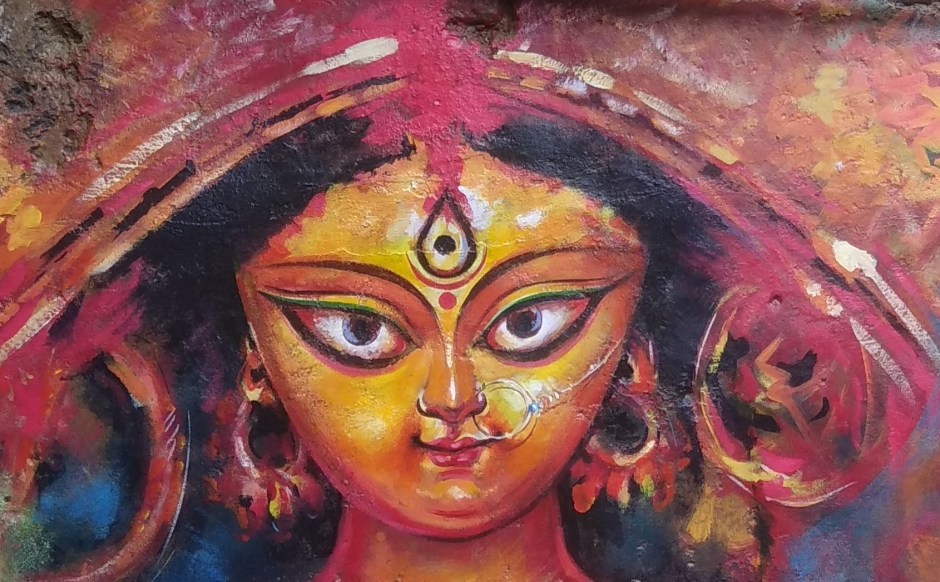
I see people celebrating Navratri with such happiness and vigour. Everywhere there is celebration and euphoria. The goddess has come to vanquish Mahishasura. Darkness is driven out by light. The feminine is celebrated. Revered. Hailed. Worshipped. But it is ironic, even maddening, how during Navratri, people go all out celebrating the goddess in her many form—while the everyday reality for countless women in India remains grim. It’s a glaring contradiction that we elevate the divine feminine during this festival, yet ignore the appalling state of women in our country for the rest of the year.
Women in India, particularly in rural and underprivileged areas, still struggle to access basic education. The dream of empowerment through knowledge is withheld from them, while societal structures remain in place to control and suppress them. Domestic life for many wives is degrading, with women expected to bear the burden of patriarchal expectations, often being treated as less than equal partners. And shockingly, marital rape remains legal—this grotesque violation of dignity continues without consequence in a country that prides itself on moral and cultural values.
For women, especially in more traditional and conservative families, agency is stifled. Whether due to religious norms or community expectations, their voices are too often silenced, their desires overlooked. This is not the empowerment or respect that the goddess we celebrate stands for.
The statistics for assault and rape against women in India reveal a troubling reality. According to the National Crime Records Bureau (NCRB) data, the figures continue to be alarming: In 2021, 31,677 cases of rape were reported across India, which means an average of about 86 rapes per day. The actual numbers are likely way higher, as many cases go unreported due to social stigma, fear of retaliation, or lack of legal support.
There were 75,278 cases of assault on women with the intent to outrage their modesty, which includes sexual harassment, molestation, and stalking. There were Around 137,000 cases of domestic violence reported under the category of “cruelty by husband or relatives” in 2021. Many more go unreported, especially in rural areas or within conservative households. The conviction rate for rape cases in 2021 was only 28.6%, indicating systemic issues within law enforcement and the judiciary that allow many offenders to escape accountability.
These statistics highlight the widespread issue of violence against women in India, where societal attitudes, legal inadequacies, and lack of enforcement continue to fuel gender-based violence. The legal system, although present, is not robust enough to deter or adequately punish perpetrators, leaving women vulnerable.
What’s the point of worshipping a goddess if women in real life are not granted the dignity, freedom, and respect they deserve? The hypocrisy is glaring. True reverence for the feminine should manifest in how society treats its women every day, not just in dance rituals for nine nights. Until we address the deep-rooted misogyny, the lack of legal protection for women, and the everyday oppression they face, celebrating the goddess feels hollow—nothing more than a performative gesture in a country where half its population continues to be shackled by inequality and disrespect.
 Hearts Still Care