“You’re not going anywhere,” said Harry fiercely. “You’ve just been caught. Dobby told us everything.”
— Harry Potter and the Chamber of Secrets, J.K. Rowling
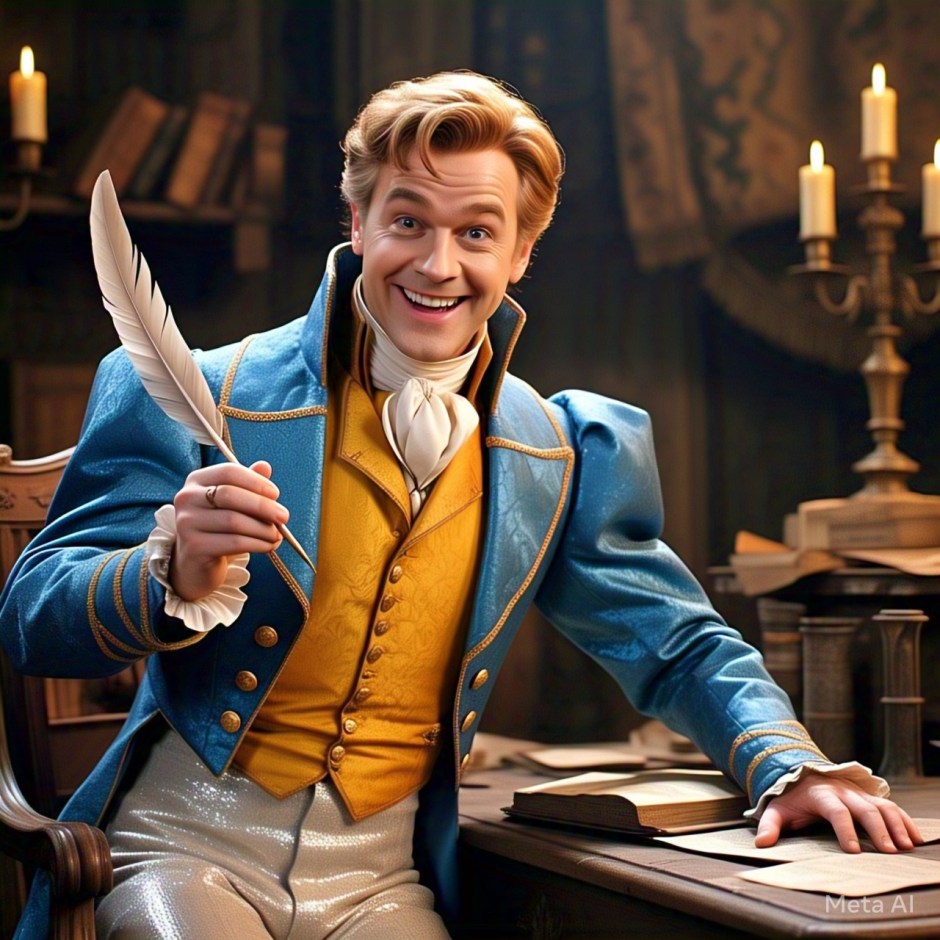
There’s a moment in The Chamber of Secrets when the illusion breaks. Harry, barely twelve, confronts Gilderoy Lockhart — the charming fraud who built a life on stolen stories. It’s a pivotal scene, one where truth shines through the lies, and a young boy refuses to be gaslit by a man the world celebrates.
Reading that scene again as an adult, I find it eerily familiar. Not because I now share Harry’s sense of justice — but because I too have confronted someone I once admired. That person, heartbreakingly, is J.K. Rowling herself.
Like millions of queer kids, I grew up in the shadow of Hogwarts. It wasn’t just fiction — it was sanctuary. We were the misfits, the outcasts, the “mudbloods,” the ones who learned to wield words like wands. The books told us that love matters more than blood. That found family, not lineage, defines belonging. That courage means standing up for what’s right — even if you stand alone.
And yet, over the past few years, the woman who wrote those words has chosen to use her voice — not to protect — but to alienate. Her remarks about trans people have not only disappointed many of us; they’ve caused real harm. In posts, essays, and tweets, she has drawn lines that tell queer and trans folk we are not truly part of the world she imagined — not unless we fit into her definitions of gender and biology.
“You mean you’re running away?” said Harry disbelievingly. “After all that stuff you did in your books —”
“Books can be misleading,” said Lockhart delicately.
— Chamber of Secrets
Books can be misleading — or at the very least, they can be written by people who don’t live the truths they tell. This, for me, has become the great sadness of my relationship with Rowling. I don’t believe in cancel culture. I still believe the Harry Potter series said something real and necessary. But the spell is broken. I can’t wear a Hogwarts T-shirt with pride anymore, knowing what its creator thinks of people I love — people I am.
So, I reimagine the Lockhart scene like this — not with Harry and a charlatan professor, but with someone like me, confronting the very writer who made me feel seen — before making me feel excluded:
Harpreet: “You told us Hogwarts was a home for everyone. And then you shut the doors when we asked for truth.”
Rowling: “Well — let’s not be emotional — I’ve always supported free speech —”
Harpreet: “No. You stood by the freedom to exclude. You sold us magic — then told us we weren’t real enough for it.”
What Rowling doesn’t seem to understand is that many of us weren’t asking for ideology — we were asking for recognition. For empathy. For the very values her books taught us.
And so we find ourselves in this paradox: loving the message but questioning the messenger. That’s a painful place to be — and a powerful one too. Because unlike Lockhart’s victims, we remember what was taken from us. And like Harry, we confront the lie, not with bitterness — but with truth.
“You don’t get to wave a wand and pretend you were always the hero. The spell’s broken. We wrote ourselves into the margins when you left us out — and we’re not asking for permission anymore.”
The legacy of Harry Potter will outlive its author. But its soul — its real magic — belongs to the readers who made it a movement. To the queer, trans, non-binary, marginalised kids who kept reading even when they stopped feeling safe.
We were always part of the story. And now, we’re telling it ourselves.
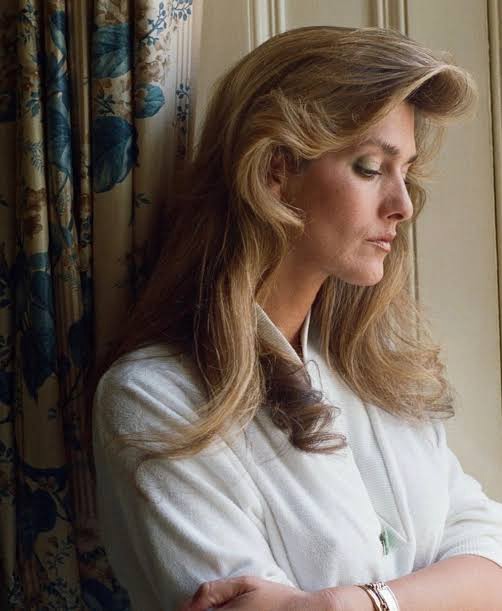
Growing up, I didn’t have many gay icons to look up to. Representation in the media was scarce, especially when it came to people living authentically in their sexuality or gender identity. But then, one day, I came across an article in a magazine about a model named Caroline Cossey. Caroline, who had transitioned from male to female, in 1974, had faced enormous challenges throughout her life. She underwent hormone therapy and sex reassignment surgery, which allowed her to fully transition from male to female. After her transition, she went on to have a successful career as a model and actress. Despite all the obstacles, she managed to thrive, making her story a beacon of hope for people like me who were still trying to figure out their place in the world.
I remember feeling proud of Caroline. She had fought for her right to be herself, living life on her terms. She became a Bond girl in 1981, when she appeared as an uncredited extra in the James Bond film For Your Eyes Only. Furthermore, she was the first trans model to appear in Playboy magazine. After her appearance in For Your Eyes Only, Cossey was outed as transgender by the British tabloid News of the World. She was devastated and considered suicide but decided to use her outing to fight for equal rights for trans people. She won her case against the government and was legally recognized as a woman. She also became an activist, appearing on television and radio shows to raise awareness for trans people.
Caroline Cossey
For a young gay person like me, growing up in Mumbai, India, in the 80s, this was revolutionary! I had read about other public figures who came out much later in their lives—people like Rock Hudson, who kept his sexuality hidden until he was dying of AIDS, and Sir Ian McKellen, who only publicly declared he was gay in 1989. Richard Chamberlain came out as gay in 2003! These men were icons too, my aunts, mum, talked about them. But they didn’t represent the same kind of courage I saw in Caroline, who was part of a community constantly forced to fight for recognition. It was a story of defiance and survival, and it resonated deeply with me.
You see, in a 2021 interview to People Magazine, Kate Winslet said, “I cannot tell you the number of young actors I know — some well known, some starting out — who are terrified their sexuality will be revealed and that it will stand in the way of their being cast in straight roles. Now that’s f***ed up.”
“I’m telling you,” she continued. “A well-known actor has just got an American agent and the agent said, ‘I understand you are bisexual. I wouldn’t publicise that.’ I can think of at least four actors absolutely hiding their sexuality. It’s painful. Because they fear being found out. And that’s what they say. ‘I don’t want to be found out.'”
So, the visibility and challenges trans people face put them at the frontlines of many queer movements, while other parts of the LGBTQ+ community may have historically experienced greater social invisibility or assimilation, especially cisgender gay men. The bravery and resilience of trans individuals continue to be critical to advancing equality for all queer people.
Some Like It Hot (1969)
My discussions with my family were often about trans people. I remember very fondly the movie, Some Like It Hot. The climactic last line of the movie: “Nobody’s perfect,” delivered by Osgood Fielding III when Jerry (in drag as Daphne) reveals he is a man, is a moment of comic genius with deep subversive undertones. In a society where rigid gender norms and heteronormativity dominated, the line’s nonchalant acceptance of Jerry’s true identity subtly challenged the boundaries of traditional gender roles and expectations. It normalizes the idea that love and connection transcend societal definitions of gender, nudging audiences toward acceptance and inclusion. This clever, light-hearted dismissal of societal norms helped advance queer representation in cinema at a time when such topics were largely taboo. The film’s ending is a brilliant celebration of human imperfection, signalling that love, in its various forms, needs no apology or justification.
I’ll never forget my aunt asking me if I wanted to transition from male to female. I didn’t—it wasn’t about that for me—but I realized how little people understood the nuances of gender and sexuality. Back then, in the 80s and 90s, being effeminate meant enduring constant bullying, both from classmates and strangers on the street. I was harassed and beaten for simply being myself, and the world seemed hostile to anyone who didn’t conform to traditional ideas of masculinity. So my aunt wanted to know if I was trans. I wasn’t. I am gay. But I can now fully appreciate what she had asked me back then. If a woman born in 1939, could ask me this, I don’t understand the hate most people have for the community.
Maybe it stems for the fact that it was always the trans people—the drag queens, the trailblazers at Stonewall—who stood on the front lines. Historically, trans people have often been at the forefront of LGBTQ+ movements, and this is largely because their identities and bodies have been highly visible, making them more vulnerable to societal prejudice, discrimination, and violence. This forced them to become outspoken advocates not only for themselves but also for the broader queer community, even when gay and bisexual people remained closeted or less visible.
Additionally, trans people face multiple layers of marginalization, including both gender and sexuality, which has often placed them in direct conflict with oppressive systems, necessitating their leadership in activist spaces. Trans people have always been at the forefront of LGBTQ+ advocacy, and for that, I hold a deep respect for them. They’ve earned the right to live in bodies that reflect who they truly are, just as much as anyone has the right to make choices about their own body. It’s no different from someone getting a tattoo or choosing to have an abortion—our bodies are ours to decide what to do with.
This is why J.K. Rowling’s views on trans people are so disturbing to me. In 2019, she tweeted comments that were shockingly transphobic, and since then, she’s doubled down, allying herself with groups that push harmful rhetoric. For someone who once created a world that spoke to so many outcasts, her words felt like a betrayal. I used to admire characters like Remus Lupin, with his hidden struggles, and even saw Dumbledore’s late revelation as a way of introducing queer representation. But looking back, it feels like tokenism—a marketing ploy that never fully embraced the complexities of queer identity.
In her recent speeches, Rowling has made statements like “lesbians don’t have penises,” which is not just ignorant, but exclusionary. She’s taking a stand that is harmful, aligning with groups that dismiss the validity of trans lives. It’s not just disappointing, it’s dangerous. Her tribe of supporters claims to champion women’s rights, but they fail to understand that bodily autonomy, including the right to transition, is central to that fight. If you can’t accept someone’s right to live in their own body, how can you claim to support anyone’s freedom?
When I first saw Caroline Cossey in Cosmopolitan as a Bond girl, I was mesmerized. I thought, here is someone who defied the odds, someone beautiful, successful, and unafraid to live her truth. Her story gave me courage. Over time, I found strength in the stories of people like her. I read books about sexuality and found solace in fantasy fiction, in worlds where differences were celebrated. The X-Men comics, with their allegories of being “othered,” spoke to me in ways that traditional narratives didn’t.
Characters from The Lord of the Rings or even Harry Potter once felt like kindred spirits, but after Rowling’s tirades, it’s hard to see those stories the same way. She’s shown that she doesn’t understand the diversity of human experience, and worse, she’s actively working against the progress that communities like mine have fought so hard for.
Yes, I understand the nuances of freedom of expression and the complexities of cancel culture. But standing up against harmful rhetoric is not cancel culture—it’s about drawing a line where human dignity is concerned. If respecting someone’s pronouns or accepting their right to transition makes the world more diverse and beautiful, then that’s a future I want to be part of.
I’m grateful for the trans people who have fought and continue to fight for the right to be themselves, because they’ve paved the way for so many of us. And for that, I will always stand with them.
The sitcom Friends has long been celebrated as a cultural touchstone for its humor, iconic characters, and portrayal of friendships in New York City. However, watching it again two decades later, the show reveals some cringe-worthy moments, especially for those of us in the LGBTQ+ community. As a proud and out gay man, it’s hard to ignore the problematic tone the show adopts in several episodes.
One of the most glaring issues is Chandler’s attitude toward his father, who is portrayed as transgender. Instead of accepting or even attempting to understand his father’s identity, Chandler often resorts to jokes and derision, feeding into outdated stereotypes.
Throughout the series, Chandler is frequently mistaken for being gay, and he constantly reacts with exaggerated discomfort or anxiety. This recurring joke plays into the idea that being seen as gay is embarrassing or something to be avoided, which subtly reinforces homophobic attitudes. There’s even a flashback episode where Chandler talks about being afraid of “turning gay” because his parents got divorced. This comment reduces complex personal issues to a baseless fear of homosexuality, implying that being gay is something undesirable or linked to emotional trauma.
This discomfort with LGBTQ+ identities is a recurring theme throughout the series, with many characters expressing unease around gay people, whether through homophobic jokes or dismissive attitudes.
Take, for example, the episode where Ross and Brad Pitt’s character cruelly joke that Rachel is a hermaphrodite. The comment isn’t just off-color; it shows a total disregard for sensitivity and the real-life experiences of intersex individuals. When Carol and Susan get married, the ceremony is treated as a novelty, with some characters expressing awkwardness about attending. Though the show deserves credit for airing a lesbian wedding at a time when this was rarely seen on TV, it was still framed in a way that made the audience feel like it was an oddity.
Similarly, Monica and Chandler’s treatment of their maid—accusing her of stealing Monica’s clothes—feels not only overblown but abusive. The way Monica handles that situation, fueled by her insecurities, highlights a troubling power dynamic.
Joey’s character, known for his womanizing ways, also offers moments of toxic masculinity that now feel outdated. He’s perfectly fine with sleeping around, but when it comes to his sister being pregnant, he can’t handle it. Then there’s the issue of his discomfort with grooming and self-care, reinforcing the stereotype that men who take care of their appearance are somehow less masculine. In one episode, Phoebe even calls Joey a “woman” for grooming himself, though Monica rightfully stands up for him. Similarly, Joey’s comments about men doing their eyebrows being “sissy” is another eye-rolling moment.
Joey often makes offhand comments that imply being gay is something to be avoided, like when he jokingly warns Ross about the dangers of hanging out with his lesbian ex-wife and her partner. He treats the idea of being around gay people as if it’s a threat to his own masculinity. Whenever Chandler or Joey show affection toward each other, it’s often accompanied by homophobic jokes or awkwardness, as if two men expressing close friendship must be shielded by humor to avoid any “gay” connotations.
The show is littered with subtle (and sometimes not-so-subtle) homophobia. Ross, in particular, stands out in his awkwardness and unease with anything that challenges traditional masculinity. He’s irritated by Sandy, the male nanny, despite Sandy being the perfect caregiver for his child. Rachel defends Sandy, but in the end, he’s still written off because he doesn’t fit into Ross’s heteronormative idea of a nanny. And when they hire a different nanny, Ross’s immediate reaction is sexual—only to find out she’s a lesbian, which Joey, predictably, finds exciting.
There are countless other moments: Mona’s date commenting on Ross’s pink shirt, the ridicule of a gay colleague at Ross’s conference, and the laughter at Ross’s speech when he uses the term “homo erectus.” These are moments that might’ve seemed harmless to straight audiences at the time but are painful and alienating for LGBTQ+ viewers today. Imagine how I felt when these scenes came up when I was struggling to find acceptance in a homophobic society.
In retrospect, Friends often worked for its straight, cisgender audience by reinforcing the norms of the time. But for those of us who see these jokes and storylines through the lens of experience and pride in our identities, the show feels outdated and at times deeply offensive. What was once a comfort watch has become a reminder of the work still needed to challenge and change these ingrained cultural narratives.


 Hearts Still Care
You must be logged in to post a comment.