“You’re not going anywhere,” said Harry fiercely. “You’ve just been caught. Dobby told us everything.”
— Harry Potter and the Chamber of Secrets, J.K. Rowling
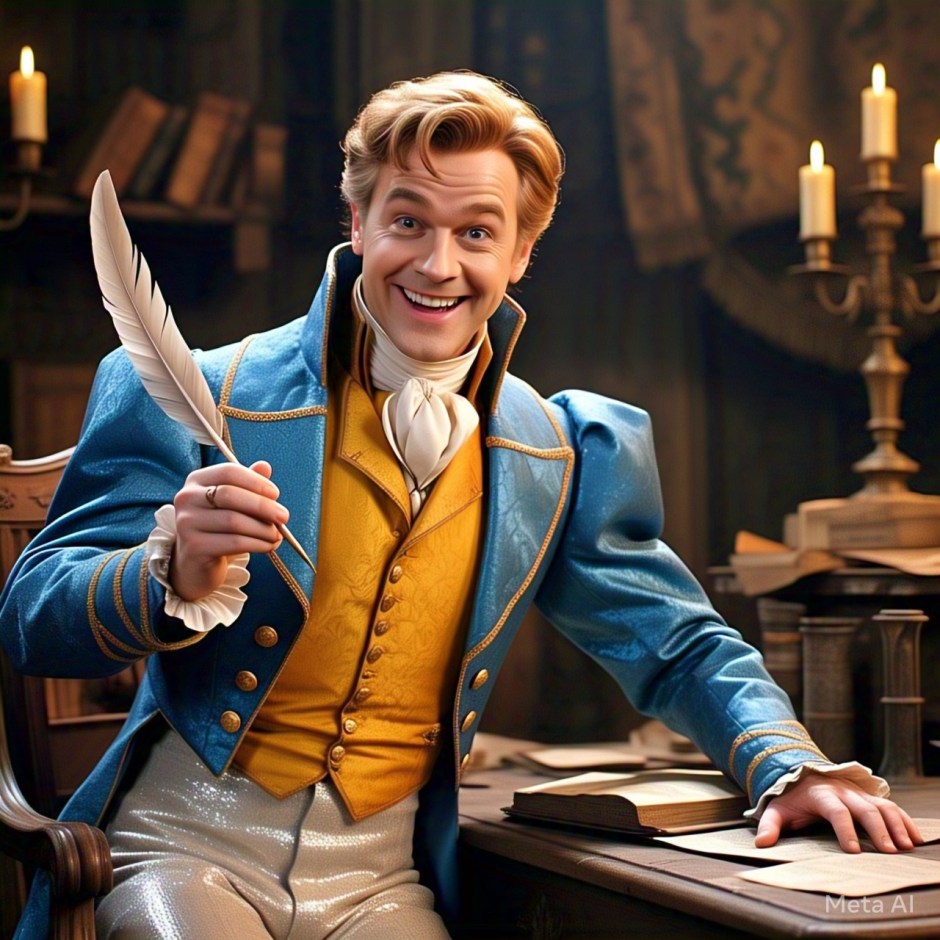
There’s a moment in The Chamber of Secrets when the illusion breaks. Harry, barely twelve, confronts Gilderoy Lockhart — the charming fraud who built a life on stolen stories. It’s a pivotal scene, one where truth shines through the lies, and a young boy refuses to be gaslit by a man the world celebrates.
Reading that scene again as an adult, I find it eerily familiar. Not because I now share Harry’s sense of justice — but because I too have confronted someone I once admired. That person, heartbreakingly, is J.K. Rowling herself.
Like millions of queer kids, I grew up in the shadow of Hogwarts. It wasn’t just fiction — it was sanctuary. We were the misfits, the outcasts, the “mudbloods,” the ones who learned to wield words like wands. The books told us that love matters more than blood. That found family, not lineage, defines belonging. That courage means standing up for what’s right — even if you stand alone.
And yet, over the past few years, the woman who wrote those words has chosen to use her voice — not to protect — but to alienate. Her remarks about trans people have not only disappointed many of us; they’ve caused real harm. In posts, essays, and tweets, she has drawn lines that tell queer and trans folk we are not truly part of the world she imagined — not unless we fit into her definitions of gender and biology.
“You mean you’re running away?” said Harry disbelievingly. “After all that stuff you did in your books —”
“Books can be misleading,” said Lockhart delicately.
— Chamber of Secrets
Books can be misleading — or at the very least, they can be written by people who don’t live the truths they tell. This, for me, has become the great sadness of my relationship with Rowling. I don’t believe in cancel culture. I still believe the Harry Potter series said something real and necessary. But the spell is broken. I can’t wear a Hogwarts T-shirt with pride anymore, knowing what its creator thinks of people I love — people I am.
So, I reimagine the Lockhart scene like this — not with Harry and a charlatan professor, but with someone like me, confronting the very writer who made me feel seen — before making me feel excluded:
Harpreet: “You told us Hogwarts was a home for everyone. And then you shut the doors when we asked for truth.”
Rowling: “Well — let’s not be emotional — I’ve always supported free speech —”
Harpreet: “No. You stood by the freedom to exclude. You sold us magic — then told us we weren’t real enough for it.”
What Rowling doesn’t seem to understand is that many of us weren’t asking for ideology — we were asking for recognition. For empathy. For the very values her books taught us.
And so we find ourselves in this paradox: loving the message but questioning the messenger. That’s a painful place to be — and a powerful one too. Because unlike Lockhart’s victims, we remember what was taken from us. And like Harry, we confront the lie, not with bitterness — but with truth.
“You don’t get to wave a wand and pretend you were always the hero. The spell’s broken. We wrote ourselves into the margins when you left us out — and we’re not asking for permission anymore.”
The legacy of Harry Potter will outlive its author. But its soul — its real magic — belongs to the readers who made it a movement. To the queer, trans, non-binary, marginalised kids who kept reading even when they stopped feeling safe.
We were always part of the story. And now, we’re telling it ourselves.
 Hearts Still Care