The Many Faces of Anxiety

I didn’t set out to write about anxiety today. But like most days that begin gently and gather weight, yesterday left me with a churning restlessness I couldn’t shake off. And now here I am, trying to name it.

It began with animal abuse videos flooding my Instagram feed—violent, horrific glimpses into a world I wish didn’t exist. I know we’re all supposed to just scroll past or log off, but I can’t. That’s my weakness, maybe. I can’t look away when animals are in pain. I shared many of those videos to my story—perhaps to shake others awake, perhaps because I didn’t know what else to do.

In India right now, there’s been a surge of hostility towards stray dogs, after a tragic incident where an athlete and animal lover died of rabies—because he didn’t take a post-bite vaccination. That one lapse has turned into widespread panic. Dogs are being relocated, mistreated, even culled. And while his death was tragic, it was also preventable. But instead of addressing that, society’s instinct has been to punish the voiceless. It’s breaking my heart.

On top of that, I’ve been rehearsing for a dance performance—something very close to my heart. A friend invited me to perform two songs I’ve loved since childhood. One of them being physically gruelling as it involves about 6 minutes of continuous dancing – and I’ve poured myself into it: choreographed it, envisioned it, even arranged for the costume. But my body… it’s starting to feel like it’s turning on me. My right shoulder’s frozen, and after Saturday’s long rehearsal, my left knee’s in real pain again—echoing an old injury that once had me limping for months. It frightens me that my mind is dancing ahead, full of rhythm and joy, while my body is buckling, unsure it can carry me through.

I felt like Mary Carson from The Thorn Birds, bitterly remarking to Ralph that it’s God’s final cruelty—to give us hope and desire, while letting our bodies decay. I understand that sentiment too well today.

I’m going to see my physiotherapist again, hoping for answers or at least reassurance. But the truth is, I’m scared. I’m anxious that I won’t be able to perform, or worse—that I’ll damage my body even more trying to prove something. My family doesn’t want me to do this. But I do. I want it so badly because I know I can do it well—if only my body holds out.

Then, as if all that wasn’t enough, I ended up scrolling through old photos—of people who are no longer in my life. And the weight of those absences returned, quietly and cruelly. Some losses never announce themselves again—they just slip back into you, uninvited, and take up space.

The day was dark, grey, and rainy. And I felt that same heaviness. A familiar bleakness.

I’ve written so much about anxiety on this blog before, and yet, here I am again. Because anxiety is not a one-time visitor—it wears different masks, speaks in different voices, shows up at different doors.

But what I do want to say—what I need to remind myself of—is this: sometimes, anxiety walks hand in hand with longing. With courage. With hope. When you’re anxious about doing something, and yet you still want to do it—and you try anyway—that’s the human spirit. That’s what matters.

I just hope I don’t end up hurt. And I hope I don’t hurt anyone else while trying. So I’ll move forward—but with care. With awareness. With as much wisdom as I can muster.

And if you’re feeling like this too—heavy, restless, caught between desire and doubt—please know you’re not alone. Some days will be like this. And that’s okay.

I must add this note: I finished writing this post a few minutes ago and I went on Instagram to check up on messages. The first picture, I happened to see was a quote from a page I follow. I must share it here.

I take this as a sign from the universe. This quote speaks to the essential truth of transformation: that before renewal, there is pain. The imagery of “rising from the ashes” is that of the myth of the phoenix, a magnificent bird that dies in flames and is reborn from them. It so happens I have it tattooed on my left arm. Kalen Dion’s words remind us not to romanticise the rebirth without acknowledging the fire.

Suddenly I find the quote being a balm for the anxious, grieving, aching, and the hopeful me — and in fact, all of us who are in the middle of our fire. It says: Yes, you’re hurting now. But you won’t be ash forever. You’re becoming. Stay brave.

And I intend to.
BDD

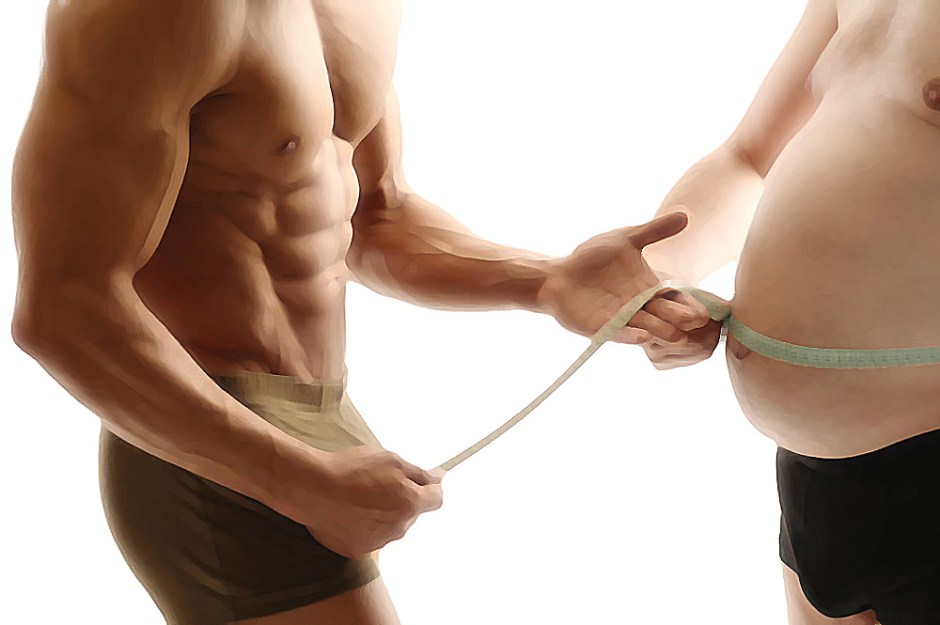
I recently watched Heartstopper Season 3, which is not only an excellent LGBTQ+ series but also refreshingly inverts the typical media landscape by placing queer characters at the centre. This representation makes straight people feel like the “odd ones out.” One of the key themes in this season is body dysmorphia—a mental health condition that involves an obsessive focus on perceived flaws in one’s appearance. This series led me to reflect on how common body image issues have become, particularly in the age of social media.

What is Body Dysmorphic Disorder (BDD)?

Body Dysmorphic Disorder is defined by the NHS as a mental health condition where individuals spend a lot of time worrying about flaws in their appearance, often minor or unnoticeable to others. It can significantly impact daily life and self-esteem. According to the International OCD Foundation, around 1 in 50 people are affected by BDD, making it a relatively common condition, particularly among teenagers and young adults.

Social Media and Body Comparison

These days, platforms like Instagram and TikTok exacerbate body dysmorphia. Filters, perfect lighting, and curated images set unrealistic standards. Studies show that 88% of women and 65% of men compare themselves to images on social media, often leading to negative body image and dissatisfaction with their own appearance. In fact, adolescents who frequently use social media are at greater risk for developing body image issues.

Childhood Experiences and Body Image

My personal experience aligns with these findings. As a Sikh boy growing up, I remember being teased about my turban and physical traits. Bullying around body image or appearance is not uncommon in childhood, and these early experiences can embed long-lasting insecurities. For me, it wasn’t just about my hair—I was also teased for being effeminate, having a small torso, and larger hips, which added to my body image struggles.

Body Changes and Identity Formation

Body image concerns tend to worsen during adolescence. The body undergoes significant changes between the ages of 13 and 18, a critical time for identity formation. As I transitioned through these phases, I gained weight during my teens and then lost it during college. This constant flux made me more conscious of my appearance. Like many, I looked to male ideals—broad shoulders, muscular torsos—standards that I didn’t feel my body met.

Gay Men and Body Image

In the gay community, body image pressures can be particularly intense. Studies suggest that 42% of gay men report body dissatisfaction, compared to 29% of heterosexual men. As a gay man, I felt these pressures acutely, from worrying about my weight to comparing how my body looked—chest, abs, even penis size—against societal expectations. The pervasive focus on physical perfection in the gay dating scene can lead to unhealthy self-comparisons, which was well-illustrated in Heartstopper.

Clothing and Body Protection

For me, fashion became a protective layer. I found comfort and confidence in clothes, which acted like a second skin. This isn’t uncommon; research shows that clothing and appearance are often used as coping mechanisms for body image dissatisfaction. Styling others also gave me joy, reinforcing that appearance can be empowering, but it also masked deeper insecurities.

The Paradox of Love and Physical Attraction

While we often say that love is about looking beyond the physical, I believe that initial attraction is deeply tied to appearance. Studies suggest that physical attraction is often the first spark in romantic relationships, and it takes time for emotional and intellectual connections to develop. Over time, though, emotional bonds replace the need for constant physical attraction. Ironically, in long-term relationships, people sometimes let their physical appearance slip, leading to a potential decline in mutual attraction.

The Toxic Cycle of Body Image and Relationships

This creates a toxic cycle: we start questioning our own bodies when we feel a loss of attention or attraction from our partner. It’s common for people to feel they’ve “let themselves go,” leading to self-blame and even more body dissatisfaction. Despite knowing that true love should transcend physicality, it’s difficult to escape these ingrained notions. The pressure to mould ourselves to fit societal standards remains strong, as Heartstopper poignantly highlighted.

Body Dysmorphia and Relationship Dynamics

Heartstopper Season 3 forces us to confront how deeply body image issues are interwoven with romantic relationships. Body dysmorphia affects how we view ourselves and how we approach love. Until we address these toxic perceptions—rooted in societal conditioning, social media, and early experiences—our relationships will continue to be shaped by the way we see our own bodies.

This thought process integrates statistics and definitions, placing your personal reflections within a larger framework of body image, social conditioning, and mental health.

Darkness

I’ve been feeling quite low lately. I’m guessing the depression isn’t easing. Today, I sat alone in the bedroom, just browsing my phone. I felt the wave come over me. I looked outside the window, and without my glasses, the cloudy sky merged with my beige curtains. In an instant, I thought of all that I’ve lost. My best friend being the latest addition to the list, and I couldn’t stop the pain that erupted from my eyes.

Later in the evening, I sought comfort from my partners. But one hasn’t given me a spontaneous hug in over a decade, perhaps longer. With the other, I’m always wondering if I’m doing enough in his eyes. I keep feeling like I’m falling short. But it’s not just with lovers.

It started with my dad. It continued with my mum, sister, grandparents, friends, colleagues, teachers… you name the relationship, and I feel like I’ve disappointed someone in some way or another. I can never measure up. In my own head, I create comparisons. In my own head, I admit defeat and failure. But then I constantly seek validation again, sometimes from people I don’t even know.

I wrote my sister a letter today, expressing how much I care for her and wish her the best. She wrote me a beautiful sentence, one she’s told me before. She said: 

“I have never lived in your shadow; I’ve always lived in your glow…”

It made me cry again at night because I felt so touched and wondered if I truly am how she sees me. There’s this boy I’ve known since he was 18, and he’s now 37. I call him the brother I never had. He visited me after two years, and when we met, he said, “Look how beautiful you are,” and hugged me. I burst into tears in his arms. I couldn’t stop crying for a few minutes.

I know depression is often linked to feelings of insecurity and the belief that I’m not good enough. These feelings are common in people struggling with depression, as it distorts the way you see yourself and your self-worth. Depression magnifies negative thoughts, creating a cycle where self-doubt and feelings of inadequacy grow stronger. I’ve been deeply affected by this.

Insecurity leads me to compare myself to others, to question my abilities. It makes me feel like I’m constantly falling short of expectations, whether they are my own or others’. Over time, these thoughts have contributed to and worsened my depression, making it harder to feel positive about any of my achievements.

I try very hard to remember that these feelings are often a symptom of depression rather than a reflection of reality. I wish I could go out there and seek support through therapy, but I’ve lost my trust in friends and loved ones. I desperately wish to break this cycle and gain perspective.

I started masturbating at a young age. It offered me temporary relief from stress and anxiety. I know now that masturbation triggers the release of endorphins, dopamine, and oxytocin — chemicals associated with pleasure, happiness, and relaxation. These “feel-good” hormones can briefly improve mood and reduce feelings of sadness or stress. For me, engaging in masturbation can serve as a distraction from overwhelming thoughts and emotions that accompany my depression. It always provides me a momentary break from negative self-reflection. Not to add the physical and mental relaxation that follows that reduces tension, making it easier to cope with the weight of depression and inadequacy for a short time.

For many years, I used to masturbate before I slept. Since my thoughts interfered with sleep, masturbation’s calming effects helped me fall asleep more easily. Most importantly, the activity fostered a positive connection with my body, something none of my lovers have never been able to achieve. It then alleviated more negative thoughts associated with my self-worth. But they didn’t stay away for long. 

Sometimes, I feel stuck. Not in my life—my life seems to work out fine—but in my mind. It prevents me from breaking routine. I keep feeling that people will be taken away from me. I know clinging to them won’t help either them or me because, after all, who wants to be with someone who doesn’t want them? But all the time I’ve spent offering trust and love to them makes me wonder if that’s all there is to life—endlessly giving of myself with nothing required in return.

The depression really wears me down, and I get addicted to a game, or binge-watching TV, or a writing spree to get rid of the weight of insecurity and the underlying darkness. It just waits for me, lurking, until I finish my distractions and pay it some attention. Because once I lock eyes with it, I’m lost. Then I can’t deal with people, and I can’t even look them in the eye. Is it really so hard for someone to love all of me, including my anxiety and tears? Or is this just my depression speaking? Even if it is so, can’t it be loved as a part of me like I love the whole of – you?