

I have learnt something about grief that no book, no well-meaning quote, and no condolence message ever teaches you.
When death finally arrives, people show up. Messages pour in. Words of sympathy arrive from corners you didn’t even expect to remember you. “So sorry for your loss.” “Heartbreaking.” “Sending love.” And I am grateful for every single one of them. Truly.
But grief does not begin at death.
Grief begins long before — in the months when you are carrying the unbearable quietly.
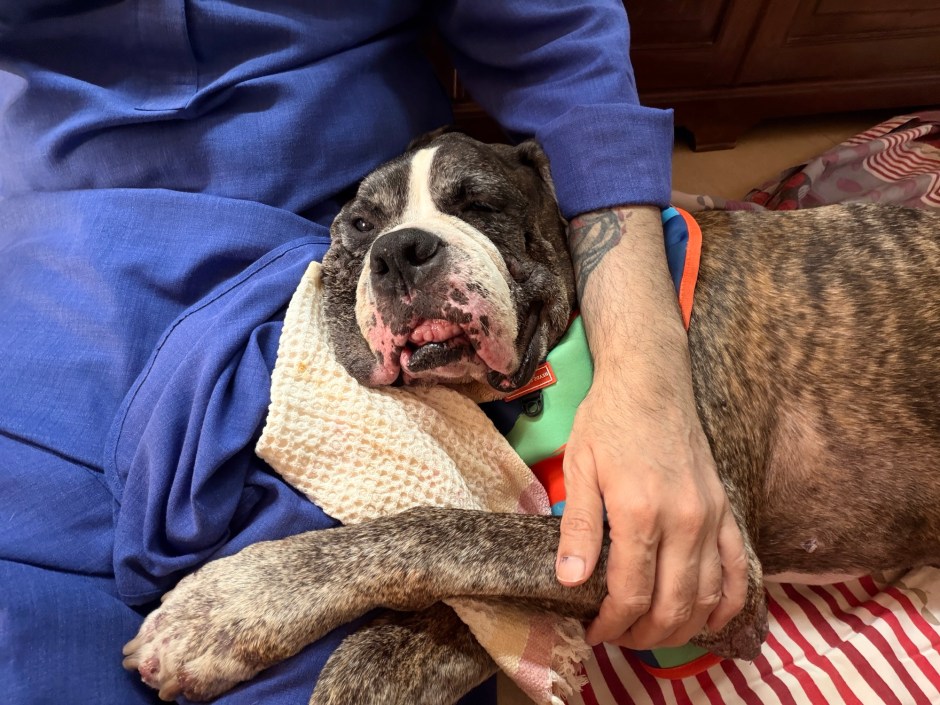
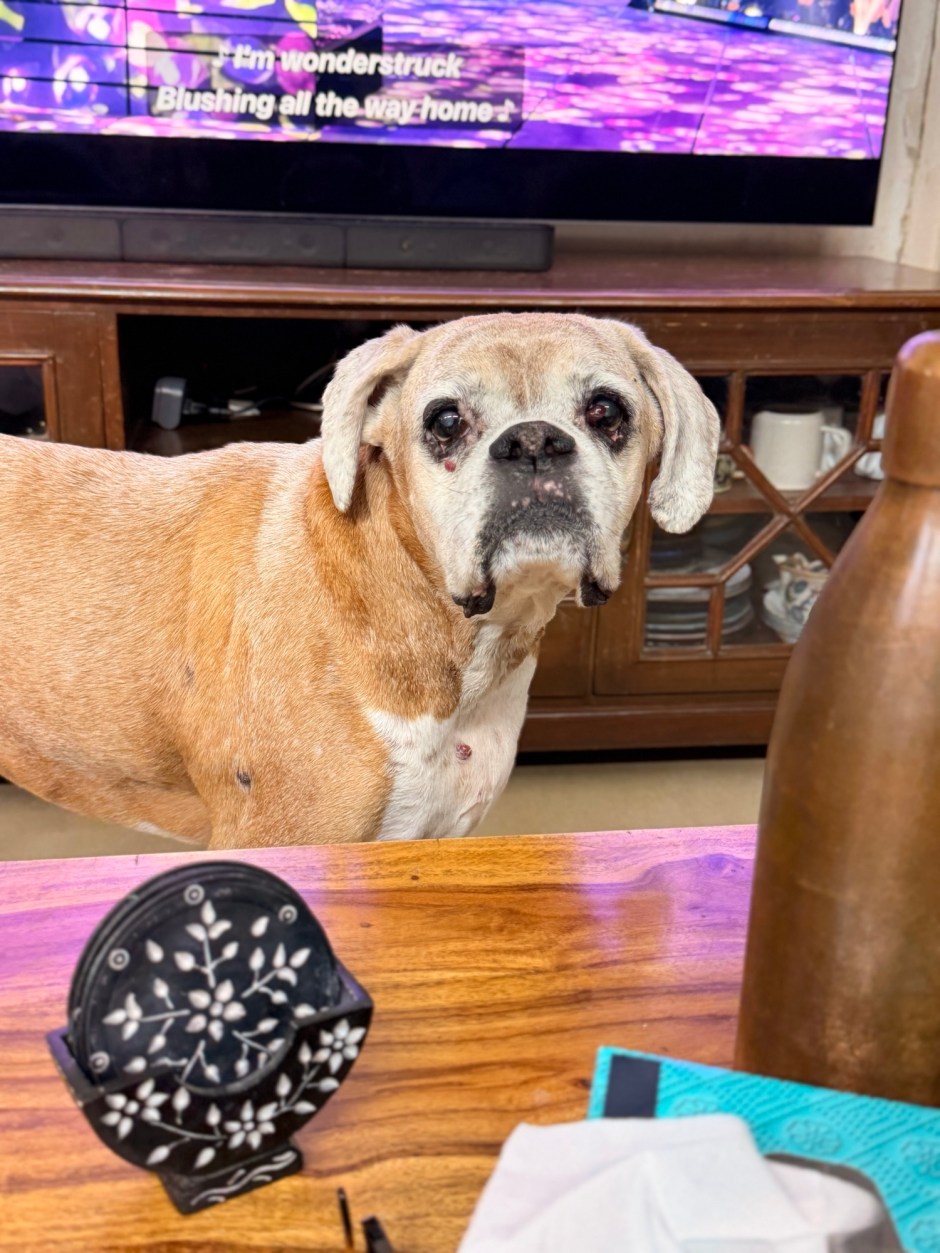
For months, I have been living with two terminally ill dogs. Not metaphorically. Not dramatically. Literally. With medication schedules that rule the clock. With hospital visits that fracture sleep. With anxiety that sits in the body like a permanent ache. With fear that never quite leaves the room, even on good days.
I spoke about it. I posted about it. I did not cloak it in poetry or optimism. I said plainly: this is hard. This is exhausting. This is breaking me in ways I didn’t anticipate.
And that is where the silence lived.
Very few texted to ask, “Are you managing today?”
Very few dropped by unannounced, just to sit on the floor and see the reality.
Very few said, “Can I take one thing off your plate?”
Very few said, “You don’t have to talk — I just want to be there.”
Just a handful. A precious, unforgettable handful. Thanks, Christina, Anil, Madhvi, Jatin, Husain, Priti.
They didn’t ask for permission to care. They didn’t wait for tragedy to be official. They came when things were messy, unresolved, ongoing. When there was nothing to mourn publicly yet, and no neat ending to respond to.
That is what I will remember.
Because help that arrives after loss is kind — but help that arrives during suffering is love.
We live in a world that is comfortable with outcomes, not processes. Death makes sense to people. It has language. It has rituals. It has scripts. Long-term caregiving, anticipatory grief, emotional depletion — these things make people uncomfortable. They don’t know what to say, so they say nothing. They don’t know what to do, so they disappear.
And I understand that too. I really do.
But understanding doesn’t erase the knowledge that settles in your bones when you realise how alone endurance can be.
I have learnt that asking for help is not natural to everyone. For some of us, it feels like exposure. Like burdening. Like weakness. So we don’t ask. We speak honestly and hope that someone listening will hear the invitation between the lines.
Sometimes they do.
Most times, they don’t.
And that is life.
Zach is gone now. And yes — the messages have come. The kindness has come. The sympathy has come. I receive it with grace.
But what stays with me are the names of the people who showed up when there was nothing to say sorry for yet. When there was only tiredness. Only fear. Only a house holding too much.
Those are the people grief reveals.
I will never ask for help.
But I will always remember who offered.
And I will carry that knowledge forward — quietly, without bitterness — knowing exactly how I want to be when someone else is surviving something long, invisible, and unbearably human.
 Hearts Still Care
You must be logged in to post a comment.